
Devil's-bit scabious
Succisa pratensis
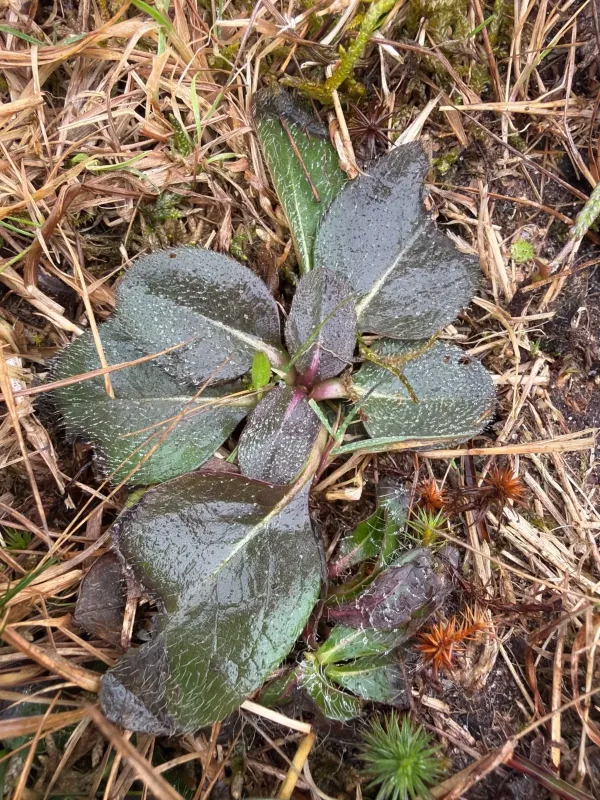
Description
Sowing dates
The sowing of Devil's-bit scabious is typically carried out in late autumn or early spring. Seeds require a period of stratification to break dormancy, making winter sowing particularly effective for field establishment.
The seeds are small and should be sown at a shallow depth of approximately 0.5 to 1 cm. A moist and finely prepared seedbed is essential to ensure good soil-to-seed contact and maximize germination rates.
Seedlings develop quite slowly during their first year, primarily focusing on establishing a rosette of leaves and a strong root system. Weed control is crucial during this establishment phase to ensure the young plants survive.
For agricultural purposes, planting in rows with a spacing of 30–40 cm is recommended. This setup facilitates mechanical weeding and ensures that each plant has enough space to mature into a vigorous specimen.
Fresh seeds have the highest viability, which decreases rapidly after two years of storage. Therefore, obtaining fresh seed stock is vital for maintaining consistent production in a commercial or garden setting.
Growing requirements
Devil's-bit scabious belongs to the Caprifoliaceae family and is native to damp meadows, forest clearings, and marshes. It is a hardy perennial adapted to a variety of temperate environmental conditions.
The crop thrives in fertile, moist, and well-drained soils. While it can tolerate slightly acidic to neutral soil pH, it does not perform well in highly saline or waterlogged environments, which require management.
Light exposure is a significant factor in development. Although the plant can tolerate partial shade, it produces the most abundant nectar and the most robust floral stems when grown in full sun conditions.
This species is well-known for its excellent winter hardiness, surviving cold climates without special cover. Its deep, robust root system also provides a good level of resilience against brief summer droughts.
Management of soil moisture is key to the longevity of the stand. While it loves humidity, stagnant water during winter months can lead to root rot; thus, ensuring adequate drainage is a fundamental practice.
Main diseases and pests
Devil's-bit scabious is generally resistant to many common pests, though it may encounter issues in intensive monocultures. Fungal diseases, particularly powdery mildew, can occur in poorly ventilated stands.
Maintaining proper airflow by avoiding overcrowding is the best preventive measure against foliage diseases. If infections appear, targeted use of fungicides can help manage the spread of the pathogen.
Insect pests such as leaf-eating caterpillars are occasionally observed but rarely cause economic damage. Regular field monitoring allows growers to assess whether intervention is necessary or if the population is balanced.
Soil-dwelling pests like wireworms may pose a threat when establishing new stands on former grassland. Proper soil preparation and, if necessary, integrated pest management practices can mitigate these risks.
A proactive approach involving crop rotation and the timely removal of diseased plant debris helps keep the infection load low. These hygienic practices ensure the long-term health of the entire crop.
Harvesting
The harvesting of Devil's-bit scabious depends on the intended use, whether for medicinal production or as a nectar source for bees. Foliage and flowers are typically harvested during the peak blooming season.
Roots, which are prized for their specific compounds, should be harvested in late autumn when the plant begins to go dormant. After harvest, roots must be washed and dried in well-ventilated conditions.
As a key honey plant, the timing of the harvest is critical to ensure it does not interfere with the bees' foraging season. Leaving patches for late-season nectar is essential for the health of local bee colonies.
Drying the harvested material should occur at moderate temperatures, preferably below 45 degrees Celsius, to maintain the integrity of essential oils and other active botanical constituents.
With correct maintenance and occasional thinning, a stand of Devil's-bit scabious can remain productive for many years. It is a durable crop that, once established, requires minimal annual input to sustain yields.