
Pterocephalus papposus
Pterocephalus papposus
Description
Growing requirements
Pterocephalus papposus is a distinct herbaceous perennial belonging to the Caprifoliaceae family. Native to mountainous regions and rocky slopes in the Middle East and surrounding areas, this plant has evolved to thrive in harsh environments with limited resources.
Agronomically, the plant demands excellent drainage to survive. The soil structure should be light, preferably rocky or sandy, ensuring that water does not accumulate around the crown of the plant, which is critical for its long-term health and survival.
Exposure to full sunlight is non-negotiable for the proper development of Pterocephalus papposus. While it is highly drought-tolerant, it requires sufficient ambient light to produce its signature floral display and maintain a compact, healthy habit.
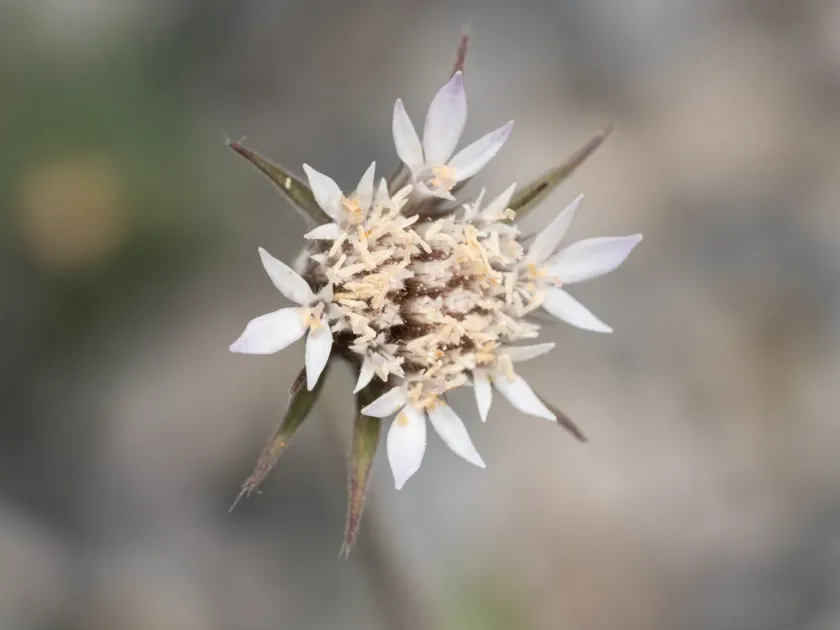
The botanical structure of the plant features rosettes of divided, feathered leaves and dense, spherical flower heads. Its morphology is specifically adapted to resist mechanical stress from wind and to minimize moisture loss in arid or semi-arid climates.
In terms of cultivation, the species does not require intensive fertilization. Over-fertilizing, especially with nitrogen, can lead to elongated, weak stems that are less resistant to adverse weather and significantly more susceptible to fungal pathogens.
Main diseases and pests
Root rot is the most significant threat to this species, almost always resulting from poor drainage or excessively humid soil conditions. Maintaining a lean soil profile and avoiding overhead watering are essential management strategies to mitigate this risk.
Insect pests, such as aphids and spider mites, may periodically infest the foliage during high-temperature periods. Integrated pest management, including the introduction of natural predators or targeted horticultural soaps, is recommended for effective control.