
Pterocephalus brevis
Pterocephalus brevis
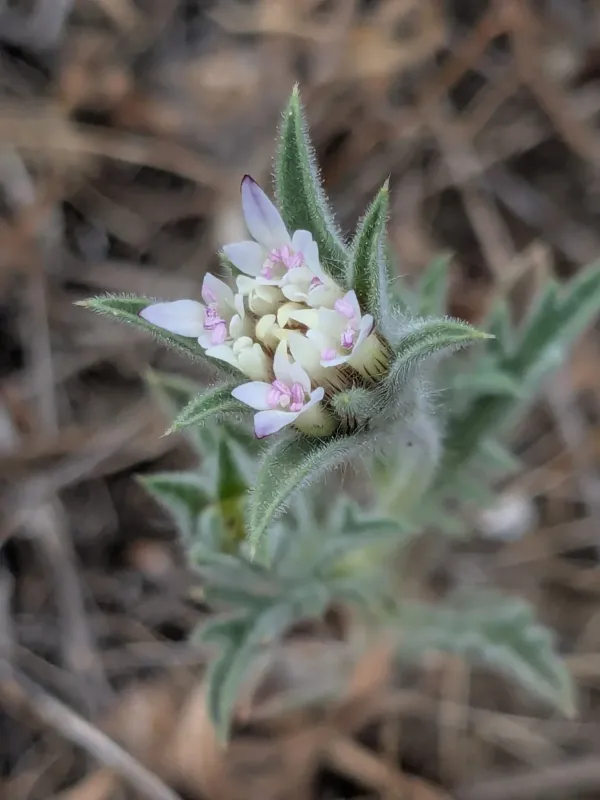
Description
Sowing dates
Pterocephalus brevis is typically propagated through seeds sown in early spring, which ensures the plant establishes its root system before the onset of summer heat.
The seeds should be sown in a well-draining, grit-heavy medium, as excess moisture during the germination phase can lead to damping-off issues.
For container-grown starts, using a shallow tray with plenty of light is advisable to maintain compact growth habit, preventing the seedlings from becoming etiolated.
Outdoor direct sowing is possible in warmer regions, provided the soil has been cleared of competing weeds that might suppress the slow-growing seedlings.
Once the true leaves have developed, the young plants should be carefully transplanted to their permanent location, ensuring minimal disturbance to the taproot.
Growing requirements
This species is a member of the Caprifoliaceae family, natively adapted to high-altitude stony slopes and open, arid environments where competition is low.
It requires full sun exposure to maintain its characteristic compact form and to promote the development of its ornamental flower heads throughout the season.
The soil must be alkaline to neutral, highly porous, and lean, as high nutrient levels or rich humus can cause the plant to lose its typical growth habit.
Drought tolerance is a primary feature of this plant, meaning it requires minimal irrigation once the root system has been established in the soil.
Winter survival depends heavily on soil drainage; the plant is much more likely to succumb to root rot from winter moisture than from low temperatures.
Main diseases and pests
The primary threats to Pterocephalus brevis are fungal pathogens that thrive in humid or stagnant conditions, which can quickly compromise the plant's health.
Root rot, induced by heavy soils or excessive rainfall, is the most common cause of failure in cultivation, necessitating careful site selection.
In cases of poor airflow, foliage may suffer from mildew, which detracts from the plant's appearance and inhibits the process of photosynthesis.
While pests are generally uncommon, slugs or snails might occasionally feed on fresh spring growth during damp seasons, requiring manual removal.
Maintaining a clean cultivation area, free of decaying plant matter, is the most effective preventative measure against the spread of potential pathogens.