
Pterocephalus spathulatus
Pterocephalus spathulatus
Description
Growing requirements
Pterocephalus spathulatus is a member of the Caprifoliaceae family. It is a perennial subshrub native to the mountainous regions of the Balkans, known for its ability to thrive in challenging rocky environments and thin, nutrient-poor soils.
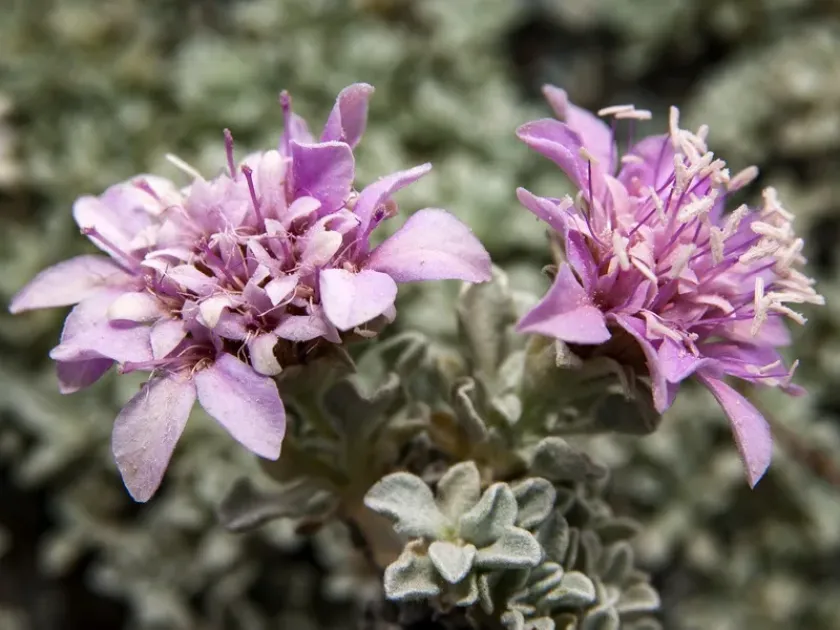
The plant is distinguished by its low-growing, cushion-forming habit and distinctive spatula-shaped leaves that are covered in fine silvery hairs. These features are biological adaptations designed to conserve water and protect the plant from high UV radiation.
Success in cultivation depends on providing excellent drainage. The species is highly intolerant of waterlogged soil, which causes rapid decay of the taproot system. It is best suited for rock gardens, gravel beds, or containers with specialized grit-heavy substrates.
The plant requires full sun exposure to maintain its compact habit. If grown in partial shade, the stems tend to etiolate, which compromises the visual structure and structural integrity of the plant during the winter season.
While the species is hardy, it benefits from a protective layer of gravel around the root collar to prevent moisture accumulation. This cultural practice mimics its natural habitat and ensures long-term survival in garden settings.
Main diseases and pests
The most significant threat to Pterocephalus spathulatus is root rot, typically induced by poor soil drainage or excessive irrigation during cool weather. Maintaining a dry environment for the root zone is the primary defense against this issue.
Fungal infections, such as powdery mildew, may occur if the plants are placed in stagnant air. Ensuring adequate airflow between individual specimens is critical to reducing humidity levels and preventing the spread of airborne fungal spores.
Slugs and snails are known to browse on the succulent foliage during the early stages of spring. Using physical barriers, such as copper tape or crushed volcanic rock, around the perimeter of the plant is an effective organic control method.
Aphids can occasionally colonize the terminal buds, leading to stunted growth and disfigurement of the flowers. Targeted application of horticultural soaps or neem-based solutions can be employed if an infestation is detected.
Over-fertilization represents a major cultural mistake. Providing excessive nutrients leads to lush, soft growth that is highly susceptible to winter damage and encourages the development of various opportunistic pathogens.