
Pterocephalus pulverulentus
Pterocephalus pulverulentus
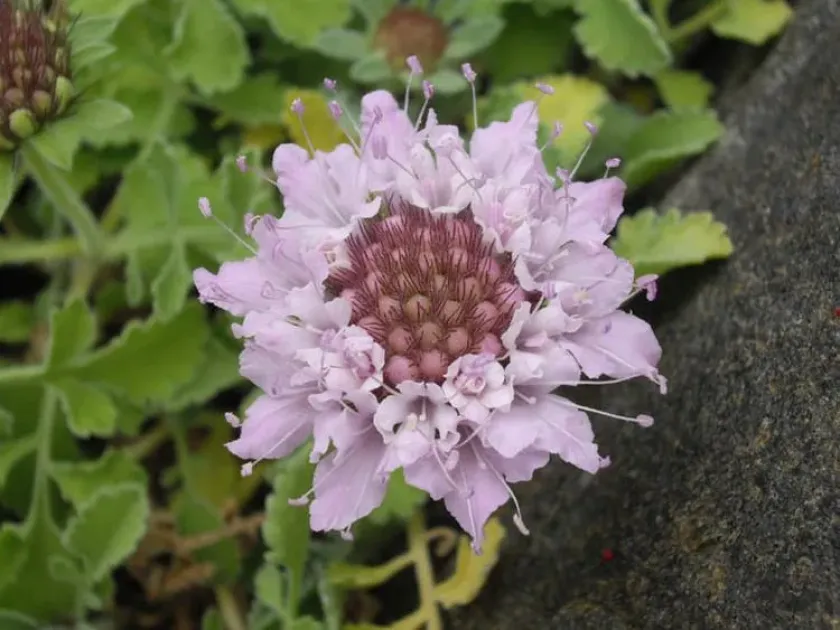
Description
Growing requirements
Pterocephalus pulverulentus is a low-growing perennial herb belonging to the Caprifoliaceae family. It is highly regarded in horticulture for its dense, cushion-forming habit and its ability to thrive in challenging, rocky environments.
The plant thrives best in gritty, well-draining soils with a neutral to slightly alkaline pH. Drainage is the most important factor for success, as the plant is highly susceptible to root rot if left in saturated or heavy soils for extended periods.
As a sun-loving species, it requires full exposure to sunlight to maintain its compact growth habit. Shaded areas often result in leggy, weak plants that are less resistant to diseases and lack their signature aesthetic appeal.
The species is remarkably hardy and well-adapted to high-altitude climates with significant temperature fluctuations. It requires minimal irrigation once established, preferring the dry, airy conditions typical of mountain slopes.
In landscaping, it is predominantly used in rock gardens, scree beds, and as a ground cover for stone walls. Its long blooming period makes it a valuable asset for creating sustainable, low-maintenance garden designs.
Main diseases and pests
The primary threat to Pterocephalus pulverulentus is root rot caused by poor soil drainage. High humidity and waterlogged substrates are the leading causes of plant mortality in temperate garden settings.
Pests are generally not a major concern; however, aphids may occasionally colonize the soft, new growth during warm spring weather. Regular monitoring is advised to prevent significant outbreaks.
Fungal leaf spots can occur when air circulation is poor, particularly during prolonged rainy seasons. Providing adequate space between plants helps mitigate the risk of infection by ensuring rapid foliage drying.
Winter maintenance is vital for preventing crown rot. Using a gravel mulch around the base of the plant prevents foliage contact with moist soil, significantly reducing the pressure from soil-borne pathogens.
Management practices emphasize prevention through proper site selection and environment control rather than intensive chemical intervention, aligning with sustainable gardening principles.