
Pterocephalus pterocephala
Pterocephalus pterocephala
Description
Growing requirements
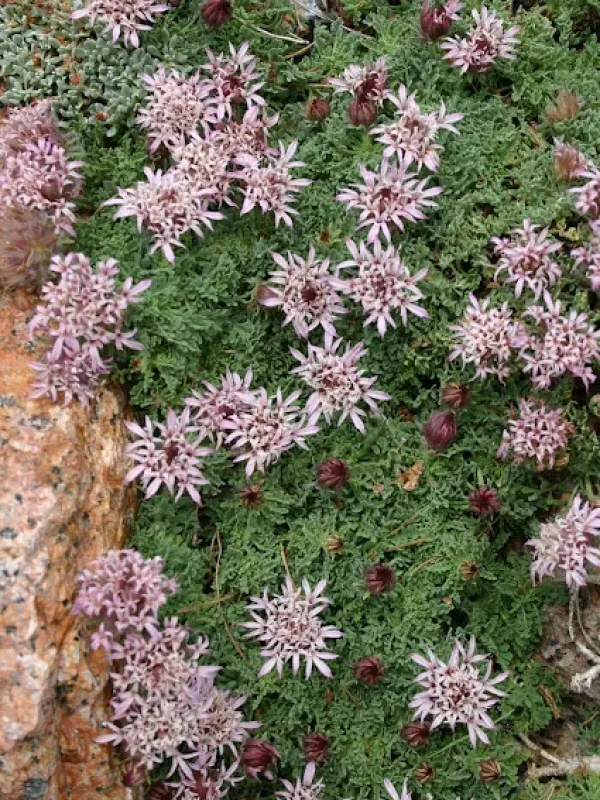
Pterocephalus pterocephala is a charming perennial belonging to the Caprifoliaceae family. Native to the mountainous regions of Southern Europe, this plant is well-adapted to rocky, challenging environments where it forms compact, cushion-like mats.
The botanical structure of the plant features finely divided, grey-green foliage that provides excellent textural interest. During the summer, it produces delicate, scabious-like flowers that range in color from soft pink to mauve, adding aesthetic value to any rock garden.
For successful cultivation, the plant demands sharp drainage. Heavy or clay soils will inevitably lead to root decay. Gardeners are advised to amend the planting site with a generous amount of grit or coarse sand to ensure water moves rapidly through the root zone.
The culture thrives in full sun exposure. While it is highly drought-tolerant once established, it requires consistent solar light to maintain its compact, dense growth habit. Lack of sunlight causes the stems to etiolate and become sparse.
Maintenance is relatively low, focusing on ensuring the root crown remains dry throughout the year. Avoid planting this species in areas where snow melt gathers or where high humidity is constant, as the plant prefers Mediterranean-style conditions.
Main diseases and pests
The primary threats to Pterocephalus pterocephala are fungal diseases caused by excessive moisture and poor drainage. Root rots and crown rots are the most common issues, often appearing after a wet winter or during rainy spring seasons.
Pests are generally not a major concern; however, aphids may occasionally infest the developing flower buds during dry weather. These insects can be managed through simple cultural practices or, if necessary, mild organic insecticides.
To prevent disease, the use of a mineral mulch such as gravel or crushed stone is highly recommended. This layer prevents direct contact between the foliage and the soil, significantly reducing the likelihood of fungal colonization.
Monitoring for signs of wilting is essential. If a plant shows signs of distress, it should be inspected for root rot immediately. Improving the drainage around the plant is the only way to salvage the situation if the disease is caught early.
Good air circulation is vital for the health of the plant. Avoid overcrowding it with other species in the garden, as this will trap humidity and create a favorable environment for pathogens to proliferate.