
Crateva eminens
Crateva eminens
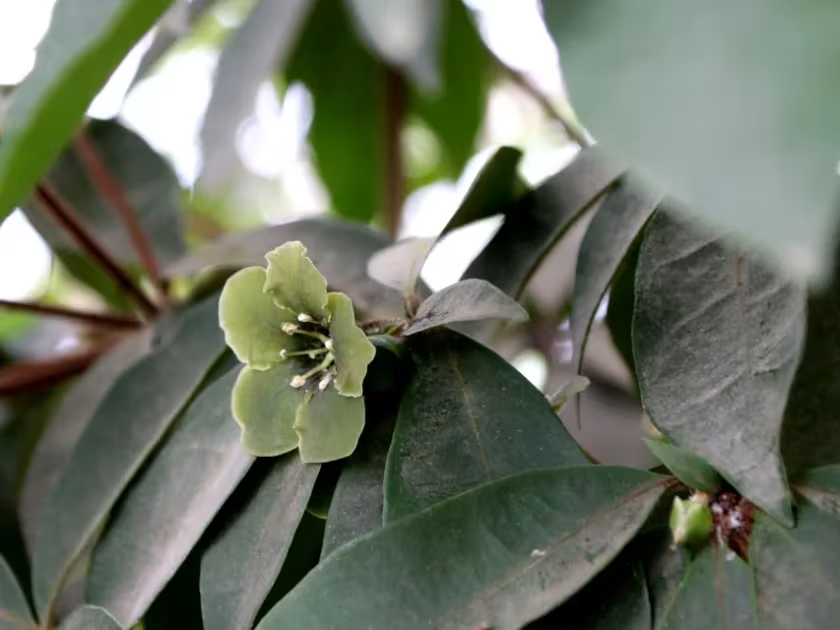
Description
Growing requirements
Crateva eminens is a woody plant species belonging to the Capparaceae family. Native to the tropical regions of Madagascar, this plant thrives in environments characterized by high humidity and consistent tropical temperatures, making it a specialized crop for specific climate zones.
The cultivation of this species requires well-drained, nutrient-rich soils. It is particularly sensitive to waterlogging, which necessitates the use of raised beds or specialized soil mixtures with high aeration properties. Soil pH levels should remain neutral to slightly acidic for optimal nutrient uptake.
Regarding climate, Crateva eminens requires constant warmth and full exposure to sunlight. Temperatures must stay consistently above 20 degrees Celsius, as even brief exposure to frost can cause irreversible damage to the vascular system of the plant.
Agronomic management includes a structured irrigation program that ensures the root zone remains moist but not saturated. Foliar feeding and regular soil amendments are recommended during the peak growing season to support the development of foliage and medicinal properties.
The primary utility of the plant is centered on its medicinal extracts, which are utilized in the pharmaceutical industry. Additionally, it is prized in tropical landscaping for its aesthetic qualities during the flowering phase.
Main diseases and pests
Fungal diseases are the primary threat to Crateva eminens, especially in environments with poor air circulation. Anthracnose can cause severe damage to the leaves and stems if not treated with appropriate systemic fungicides during the early stages of the infection.
Pests such as aphids pose a continuous risk by colonizing young shoots and extracting vital plant sap. Integrated pest management, including the use of neem oil or biological predators, is highly recommended to control these outbreaks effectively.
Spider mites are a common nuisance during periods of low humidity. These pests thrive in dry conditions and can cause extensive leaf yellowing, necessitating the use of targeted miticides or periodic misting to keep the population in check.
Root rot, caused by excessive soil moisture, is a significant threat that often goes unnoticed until the plant shows signs of wilting. Preventing this requires diligent monitoring of soil moisture levels and avoiding over-irrigation.
Sanitation in the field is vital for reducing pathogen transmission. Removing debris and disinfecting pruning tools after each operation helps maintain the health of the entire crop and prevents the recurrence of bacterial or fungal outbreaks.