
Crateva kirkii
Crateva kirkii
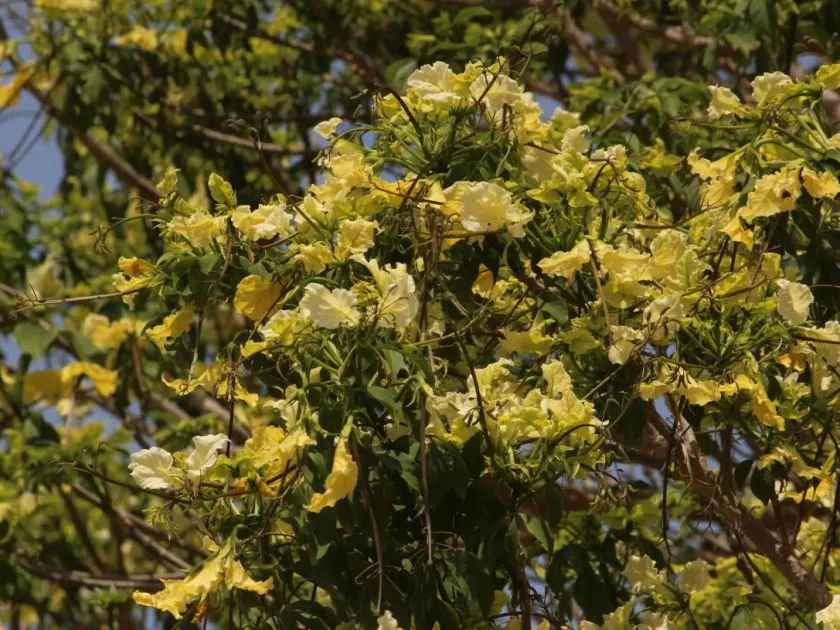
Description
Growing requirements
Crateva kirkii is a notable species within the Capparaceae family. As a tropical woody plant, it originates from the diverse ecosystems of Africa, where it thrives in humid lowland forests and riverine habitats.
This species requires abundant solar radiation to maintain optimal photosynthetic rates. In an agricultural setting, site selection should prioritize open areas with minimal shading to ensure the tree develops a dense and healthy canopy.
The soil profile for successful growth should be well-drained and nutrient-rich, preferably with a loam structure. Soil aeration is critical for Crateva kirkii, as the root system is sensitive to prolonged waterlogging which can lead to fungal pathogens.
The climatic demands include consistent warmth with temperatures ranging from 22°C to 30°C. While the tree can exhibit some tolerance to seasonal fluctuations, it remains highly susceptible to frost, necessitating cultivation exclusively in tropical or protected warm environments.
Standard agronomic practices for this crop involve periodic pruning to improve light penetration into the inner canopy. Fertilization using organic matter is recommended during the early growth phases to foster robust structural integrity and resistance to environmental stress.
Harvesting
The primary economic focus for Crateva kirkii is the utilization of its fruits and seeds, which are prized for their secondary metabolites. These components are frequently documented in ethnomedicine for their various therapeutic properties.
Harvesting is traditionally performed by hand once the fruit reaches maturity. The presence of spines on the branches requires careful handling and the use of appropriate protective gear by workers during the collection season.
Post-harvest logistics emphasize immediate cleaning and processing to prevent spoilage. Proper drying techniques are employed to stabilize the seeds, ensuring that their active constituents remain potent for pharmaceutical or culinary storage.
The wood of Crateva kirkii is recognized for its durability and resistance to pest damage. This makes it a valuable commodity in local forestry and traditional craftsmanship, contributing to the overall utility of the tree beyond its fruit production.
Research efforts continue to investigate the pharmacological potential of Crateva kirkii extracts. Scientists are focusing on identifying specific compounds that may support future applications in the development of anti-inflammatory and health-promoting supplements.