
Crateva religiosa
Crateva religiosa
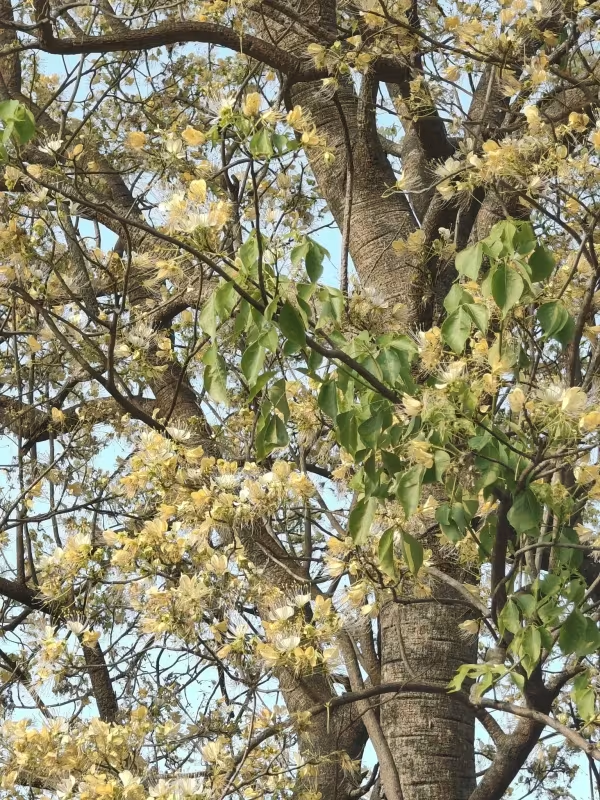
Description
Sowing dates
Propagation of Crateva religiosa is typically achieved through seed sowing in specialized nursery environments. The most suitable time for planting is the beginning of the rainy season to ensure optimal germination moisture.
Seeds should be sown in a fertile, well-draining substrate at a depth of 1 to 2 centimeters. Maintaining a stable temperature above 25°C is essential for breaking dormancy and stimulating seedling emergence.
Seedlings usually emerge within 3 to 6 weeks. During the initial growth phase, shading is critical to prevent direct tropical sunlight from scorching the delicate young leaves of the developing plants.
Transplanting to the permanent location should occur once the saplings reach a height of 50–70 cm. Early morning or evening planting is recommended to minimize transplant shock and ensure establishment.
Vegetative propagation via cuttings is also a viable method, which allows for the multiplication of trees while maintaining the specific genetic traits of the mother plant.
Growing requirements
Crateva religiosa, a member of the Capparaceae family, thrives in warm tropical climates. It requires consistent exposure to full sunlight to ensure healthy canopy development and vigorous growth.
The ideal soil conditions include well-drained, fertile, and slightly neutral to alkaline soil types. The species is highly intolerant of waterlogged conditions, which can quickly lead to root rot.
Temperature requirements for this tree range from 20°C to 35°C. It is sensitive to frost and extreme cold, making it suitable only for tropical and sub-tropical regions with frost-free winters.
Regular irrigation is necessary during the active growing season, especially in the first two years of the tree's life. Once established, it demonstrates moderate drought tolerance.
Annual fertilization with organic matter in the early spring supports robust growth. Applying a layer of mulch around the root zone helps maintain soil moisture levels and improves soil structure.
Yield
The economic value of Crateva religiosa is derived from its bark, leaves, and fruits, which are highly regarded in traditional medicine and pharmaceutical research.
Productive harvesting typically begins when the trees reach 4 to 6 years of age. Yield stability increases significantly as the tree reaches maturity with proper canopy management.
The bark should be harvested in sustainable strips, ensuring the cambium layer is protected to allow for the recovery of the tree. This cycle allows for recurring harvesting over many years.
Leaf harvesting is concentrated in the peak growing season to ensure the highest concentration of active biochemical compounds. Leaves must be dried carefully in shaded, airy rooms.
When managed as an agroforestry crop, the yield potential per hectare is substantial, providing a sustainable income source for farmers practicing integrated agricultural methods.
Main diseases and pests
Common pests affecting Crateva religiosa include various lepidopteran larvae that consume foliage. Regular inspection of the canopy is essential to catch infestations before they cause significant damage.
Fungal trunk diseases are a frequent issue when aeration is poor or trees are planted too densely. Maintaining hygiene in the orchard by removing dead wood helps mitigate these risks.
Mealybugs and scale insects may infest branches during dry spells. These pests weaken the tree by extracting sap, which can lead to stunted growth and yellowing of the leaves.
Root pathogens are a constant threat in overly wet conditions. If signs of wilting or leaf drop occur, drainage systems should be inspected and improved immediately to save the tree.
- Remove infested branches promptly.
- Apply neem-based oil for biological pest control.
- Keep the orchard area free from invasive weed species.
Harvesting
Fruit harvesting is performed manually once the fruits reach physiological maturity. Indicators of ripeness include a change in skin texture and the development of a characteristic fragrance.
When harvesting bark, it is vital to avoid damaging the wood deeper than necessary. Sharp, sterile tools should always be used to ensure the wounds heal effectively and cleanly.
After collection, the raw material requires immediate processing, including cleaning and sorting. Proper sorting ensures that only high-quality produce is sent for medicinal extraction.
Drying is a critical step in the post-harvest management of Crateva religiosa. Maintaining proper airflow and temperature controls prevents the growth of molds and preserves active ingredients.
Storage of the processed materials must be in climate-controlled environments. Protecting the inventory from pests and excess humidity ensures the longevity and potency of the medicinal products.