
Crateva adansonii
Crateva adansonii
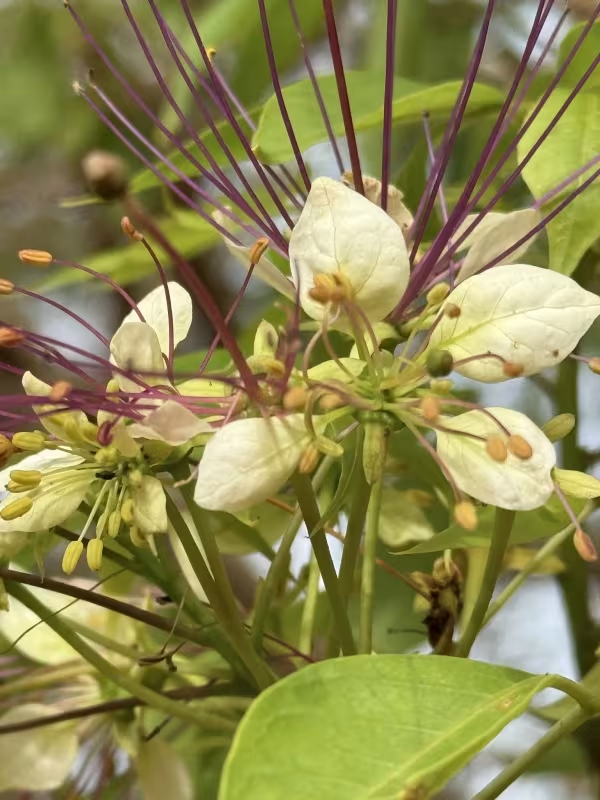
Description
Sowing dates
Crateva adansonii is a woody perennial species belonging to the Capparaceae family. It is typically propagated through seeds, which require specific environmental conditions to achieve optimal germination rates.
The seeds are sown in a well-draining, nutrient-rich soil medium. It is recommended to scarify the seeds or soak them in lukewarm water before planting to accelerate the breakdown of the seed coat.
Optimal sowing depth is approximately 1 to 2 centimeters. Maintaining consistent moisture levels during the early development stage is vital for the successful establishment of the seedlings.
Seedlings are typically nurtured in a nursery setting for several months before being transplanted into their permanent outdoor location. This ensures the root system is robust enough to handle the transition.
For plantation-scale production, spacing should be set at approximately 5 to 6 meters between trees to allow for optimal crown development and adequate air circulation throughout the orchard.
Growing requirements
This species thrives in tropical and subtropical regions characterized by distinct wet and dry seasons. It is highly intolerant of frost, requiring a climate where temperatures remain above 20 °C.
The plant prefers sandy loam or well-aerated soil compositions with a neutral pH level. It is relatively adaptable to varying soil types provided that the drainage remains excellent.
Full sun exposure is essential for the healthy development of Crateva adansonii. Shaded environments tend to restrict photosynthesis, leading to reduced flowering and overall stunted growth patterns.
While the tree demonstrates moderate drought tolerance once established, consistent irrigation is necessary for maximum biomass production and fruit yield in commercial settings.
Protection from high-velocity winds is recommended for younger trees to prevent structural damage, as the wood can be somewhat brittle during the early stages of rapid development.
Main diseases and pests
Pathogenic fungi represent the primary threat, particularly when soil moisture levels are not properly managed. Waterlogging often leads to root rot and collar rot infections.
Various defoliating insects can pose a challenge, especially during the peak growing season. Regular scouting for caterpillars and beetle larvae is essential to prevent significant leaf loss.
Scale insects and mealybugs are common pests that colonize young branches, feeding on plant sap. These infestations can be controlled using environmentally friendly horticultural oils.
Proper site selection is the best preventative measure against soil-borne pathogens. Avoiding low-lying areas that accumulate stagnant water is crucial for maintaining a healthy plantation.
Sanitation practices, such as removing fallen leaves and pruning dead or diseased limbs, significantly reduce the inoculum load within the cultivation area.
Harvesting
The harvest strategy depends on the specific plant parts intended for use, including leaves, bark, and fruit. Harvesting must be conducted using sharp, clean tools to minimize tissue injury.
Leaf harvesting is generally performed when the foliage is fully matured. Careful hand-picking ensures that the apical buds remain intact, allowing the tree to continue its vegetative growth.
Bark is harvested in small, controlled quantities to avoid girdling the tree. This ensures the long-term survival of the individual plant and maintains its future productivity.
Fruits are harvested once they show mature color and texture. After harvest, it is essential to process the material promptly to prevent fermentation or mold development.
Drying of the harvested plant material should take place in a shaded, well-ventilated structure to preserve the active phytochemical compounds present in the leaves and bark.