
Crateva tapia
Crateva tapia
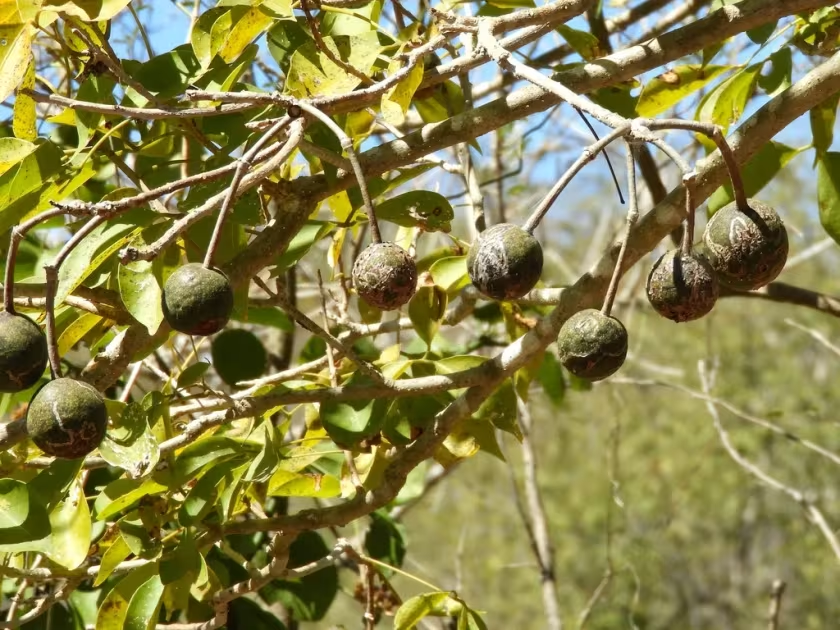
Description
Growing requirements
Crateva tapia is a prominent tree species belonging to the Capparaceae family, native to tropical regions of the Americas. It is known for its adaptation to riparian habitats and moist forest environments where it thrives in high-temperature conditions.
The cultivation requirements for this species are strictly tropical. It demands consistently warm temperatures and cannot survive frost or prolonged cold snaps, which limits its commercial range to equatorial and tropical zones.
Regarding soil conditions, Crateva tapia prefers well-drained, nutrient-rich soils. While it exhibits tolerance to seasonal flooding, waterlogged soil must be avoided during the establishment phase to prevent root rot and ensure healthy growth.
Full sun exposure is essential for the tree's physiological development. Although young specimens might tolerate partial shade, maximum sunlight is required to optimize the chemical composition of the leaves and bark used in industry.
Agronomic management involves periodic canopy maintenance. Pruning is recommended to encourage structural integrity and to improve light penetration, which is vital for maintaining the plant's long-term health and preventing pest infestations.
Harvesting
The agricultural and economic value of Crateva tapia lies in its diverse applications. It is widely recognized for its medicinal properties, particularly the use of bark extracts which are valued for their effects on renal and urinary tract functions.
The timber obtained from this tree is considered a high-quality resource in local woodworking. It is durable and relatively resistant to wood-boring insects, making it a reliable material for tools and artisanal crafts.
Harvesting strategies focus on the collection of fruits and medicinal bark. Practitioners must adhere to sustainable harvesting guidelines to ensure that the removal of bark does not compromise the health of the individual tree or the entire stand.
Post-harvest processing of the fruits requires careful management to preserve the integrity of the bioactive compounds. Rapid drying or extraction methods are typically employed to maintain the high standards required for potential medicinal markets.
Future development of this crop involves breeding programs aimed at improving yield uniformity. By selecting genotypes with superior growth rates and high chemical content, growers can significantly improve the profitability of Crateva tapia orchards.