
Michauxia laevigata
Michauxia laevigata
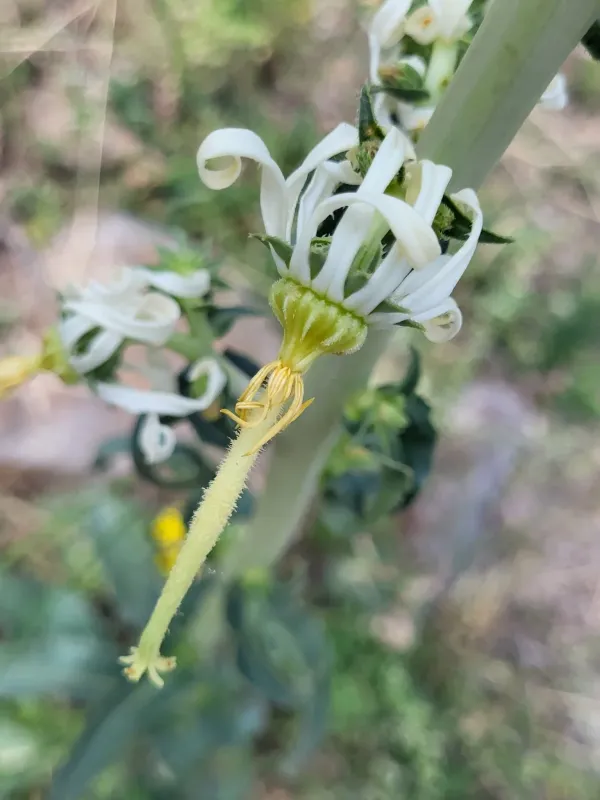
Description
Sowing dates
Michauxia laevigata, a member of the Campanulaceae family, is a distinctive perennial herb known for its dramatic, bell-shaped flowers. Propagating this plant typically involves sowing seeds in late autumn or early spring, as they require a cooling period to break dormancy effectively.
Sowing should be performed on the surface of a light, well-draining substrate, as the seeds require light to germinate properly. Covering the seeds with soil is not recommended, as it can inhibit the germination process significantly.
Maintaining a consistent environment with temperatures around +18°C to +20°C is crucial for success. Humidity levels should be kept steady through the use of a misting system or by covering the container with a transparent material until the first true leaves emerge.
Transplanting seedlings requires extreme caution due to the sensitive taproot system characteristic of this genus. It is advisable to use individual peat pots to minimize root disturbance when moving the young plants to their final location in the garden.
Proper spacing is essential to ensure adequate airflow around the rosette of leaves. A minimum distance of 45 cm between plants allows for optimal development and helps prevent humidity-related issues in the center of the bush.
Growing requirements
This species thrives in full sun, which is necessary to support its tall, vigorous flower spikes. Placing the plant in a shaded area will likely result in weak, leggy stems that fail to produce the characteristic floral display.
Soil structure is the most critical factor for success; the plant requires a fast-draining, stony, or sandy loam soil. The root system is prone to rot in heavy, dense clay, which traps water and prevents oxygenation.
Michauxia laevigata prefers a neutral to slightly alkaline soil pH. In regions with naturally acidic soils, gardeners should incorporate lime or crushed limestone to create a more favorable growing environment.
Watering should be moderate, focusing on keeping the soil moist but never waterlogged. While adult plants develop some drought tolerance, the young stages of development demand consistent moisture to establish their deep taproots.
Fertilizer application should be minimal and focused on phosphorus to encourage blooming. High-nitrogen fertilizers are discouraged, as they cause excessive leaf growth and can reduce the overall hardiness of the plant during the winter season.
Main diseases and pests
Root rot is the most significant threat to Michauxia laevigata. Prevention focuses on drainage management, as ensuring that water does not pool around the base of the plant is vital to its long-term survival.
Slugs and snails often target the young foliage in spring. Implementing physical barriers or organic molluscicides around the base of the plant helps protect the leaves during the early vegetative phase of growth.
Aphids can accumulate on the flower stalks during the budding phase, leading to stunted or deformed flowers. Immediate intervention with insecticidal soaps is usually sufficient to manage these populations without damaging the plant.
Fungal infections, particularly powdery mildew, can occur in poorly ventilated garden spots. Ensuring adequate spacing and choosing a site with natural air movement significantly lowers the risk of these pathogens.
Winter dormancy requires protection from excessive moisture during thaws. Surrounding the crown of the plant with coarse gravel or grit provides a protective layer that helps moisture drain away quickly, preventing crown rot.