
Michauxia campanuloides
Michauxia campanuloides
Description
Sowing dates
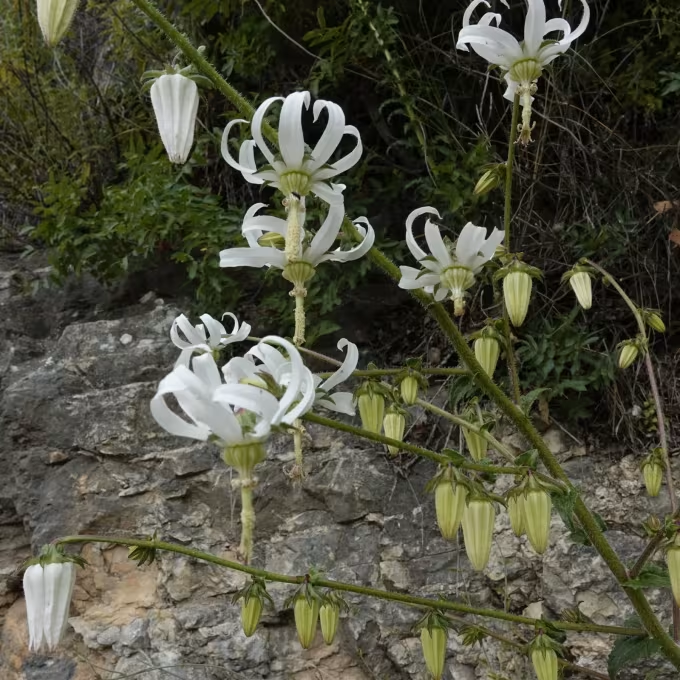
Michauxia campanuloides is a striking biennial herb belonging to the Campanulaceae family. It features a basal rosette of leaves during its first year, followed by tall, branched stems with bell-shaped flowers in the second year.
Seeds should be sown in early spring in a greenhouse or directly outdoors in late autumn. Cold stratification for 3–4 weeks significantly improves germination rates and seedling uniformity.
Sow seeds shallowly, covering them with a very thin layer of substrate. Keep the medium consistently moist but not waterlogged until germination, which usually occurs within 3–4 weeks at moderate temperatures.
Prick out the seedlings once they develop their first set of true leaves. Since the plant develops a long taproot, it is essential to use deep pots and handle the roots with extreme care to avoid damage.
Transplanting into the garden should occur when all risk of frost has passed. Ensure each plant has sufficient space, as a mature Michauxia can grow quite large and requires significant airflow.
Growing requirements
This species thrives in full sun, which is essential for developing strong stems and high-quality floral displays. Avoid planting in shaded areas where stems may become weak and prone to falling over.
Well-drained, fertile soil with a neutral to slightly alkaline pH is ideal. In heavy clay soils, incorporating sand or grit is necessary to provide the drainage required to prevent root rot.
Water regularly during the growing season, especially as the main flower spike develops. However, avoid getting water on the foliage, as the hairy leaves can trap moisture and promote fungal infections.
Provide protection from strong, persistent winds. In exposed locations, it is advisable to provide support stakes for the tall stems to prevent them from breaking during storms or heavy rainfall.
In colder regions, provide a light winter mulch around the base of the plant to protect it from extreme freeze-thaw cycles, ensuring the crown remains dry throughout the winter months.
Main diseases and pests
Fungal diseases, particularly powdery mildew and root rots, are the primary threats. These are often exacerbated by poor air circulation and excessive humidity levels in the garden environment.
Maintain proper spacing between plants to facilitate drying of the foliage. Avoiding overhead irrigation is a key cultural practice to reduce the incidence of leaf and stem pathogens.
Slugs and snails can cause significant damage to young rosettes during early spring. Using physical barriers, such as copper tape or crushed eggshells, can help protect young plants from grazing.
Aphids occasionally infest the developing flower buds. Early intervention with insecticidal soaps or neem oil is usually sufficient to control the population without harming the overall plant health.
Routine scouting for signs of discoloration or wilting allows for quick remedial action, ensuring the longevity of the plant through its single flowering season.