
Campanula witasekiana
Campanula witasekiana
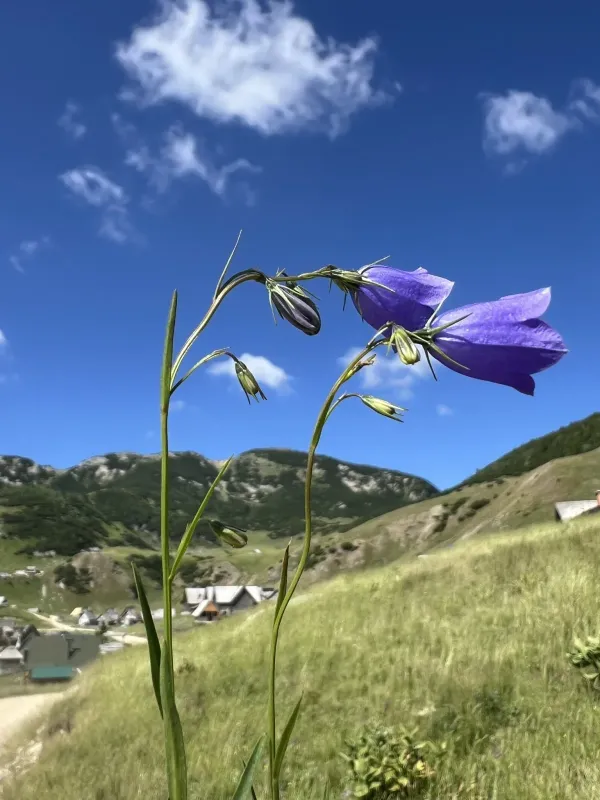
Description
Sowing dates
Sowing Campanula witasekiana seeds is most effective during early spring, once the soil temperature consistently reaches at least 12 degrees Celsius.
For container-grown seedlings, seeds should be sown in late winter within a light, well-draining seed-starting mix to ensure a robust start for the growing season.
Given the minute size of the seeds, surface sowing is recommended, followed by a very light dusting of fine sand or vermiculite to stabilize moisture levels.
Germination typically occurs within two to three weeks under consistent moisture and moderate light conditions, requiring patience and steady care.
Once seedlings have developed at least two pairs of true leaves, they should be transplanted into individual pots to facilitate proper root development before final planting.
Growing requirements
This species thrives in locations offering partial shade, as prolonged exposure to harsh afternoon sun can desiccate the foliage and shorten the blooming period.
Soil quality is paramount, necessitating a light, sandy, or loamy texture with excellent drainage characteristics to prevent root asphyxiation.
While the plant is adaptable, it performs best in neutral to slightly alkaline soil conditions, which should be monitored if the garden soil is acidic.
Watering requirements are moderate but must be consistent; deep irrigation during dry spells is far more effective than frequent, superficial watering.
In terms of fertilization, a balanced slow-release fertilizer applied in early spring provides enough nutrients to support healthy foliage and flower production throughout the year.
Main diseases and pests
Fungal diseases are the primary concern for Campanula witasekiana, particularly in regions experiencing high humidity or poor air circulation in the garden.
Powdery mildew can be mitigated by ensuring adequate spacing between individual plants and avoiding overhead irrigation that leaves foliage damp for extended periods.
Root rot, induced by waterlogged conditions, is a major threat that can quickly lead to plant loss; therefore, careful observation of soil drainage is essential.
Gastropod pests, such as slugs and snails, find the young leaves particularly attractive, necessitating the use of physical barriers or organic pest control methods.
Regular monitoring of the base of the plant for signs of decay, coupled with prompt removal of dead biomass, helps maintain a healthy and vigorous growing environment.