
Centropogon talamancensis
Centropogon talamancensis
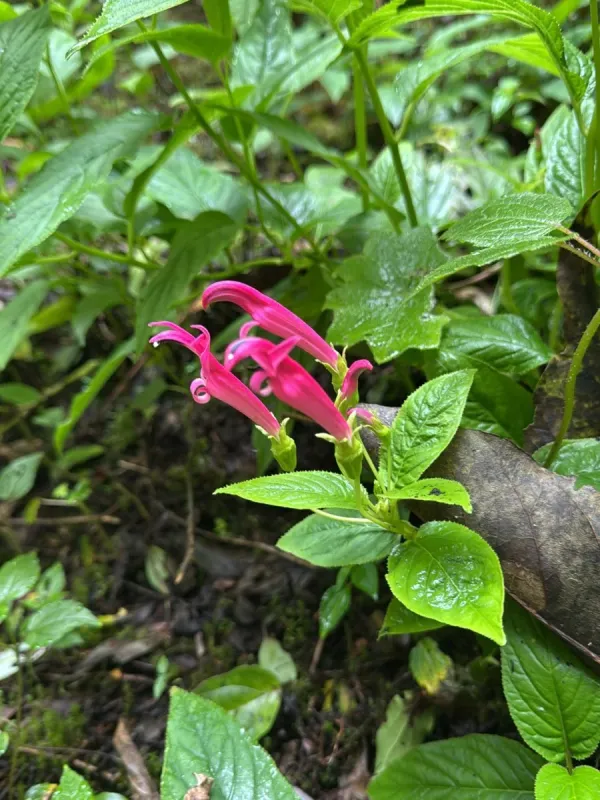
Description
Growing requirements
Centropogon talamancensis is a perennial plant species belonging to the Campanulaceae family. It is naturally distributed throughout the Talamanca mountain range, spanning parts of Costa Rica and Panama, where it thrives in high-altitude cloud forest environments.
The plant is highly adapted to cool, mist-covered environments where humidity levels are consistently high. It requires a specific microclimate that mimics the cloud forest floor, making it a challenging species to cultivate outside of its natural high-elevation range or specialized greenhouse settings.
Botanically, it is characterized by its tubular, nectar-rich flowers which are structurally evolved for pollination by specialized hummingbirds. The foliage is typically lush and adapted to capturing moisture from the dense fog that frequently envelops its native habitats in the Talamanca mountains.
Regarding soil requirements, this species demands a well-draining, highly organic substrate that mimics natural mountain humus. It is essential to maintain consistent moisture levels while ensuring aeration, as the roots are sensitive to compaction and anaerobic conditions in poorly drained soil.
In terms of agricultural or commercial use, Centropogon talamancensis is currently regarded as a specialty botanical interest rather than a crop. Research efforts focus on the conservation of this species, given its restricted geographical range and the ongoing impacts of climate change on high-altitude ecosystems.