
Brunia
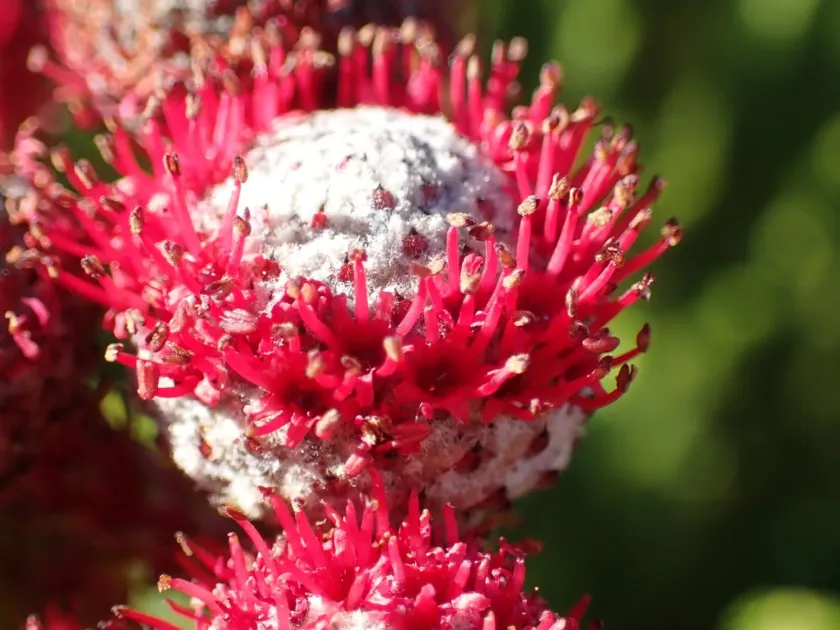
Brunia stokoei E. Phillips x Brunia albiflora E. Phillips
Description
Sowing dates
Propagation of Brunia is primarily performed through seeds or stem cuttings. Seed germination is often slow and requires stratification to break physiological dormancy.
For optimal results, seeds are sown in a well-draining, acidic peat-based substrate. Consistent moisture and a controlled temperature range between 15-20°C are necessary for successful germination.
Cuttings are widely used in commercial settings to ensure genetic uniformity, especially for specific hybrids involving Brunia stokoei and Brunia albiflora.
Young seedlings grow slowly and demand careful management of light levels and watering to prevent rot. Proper spacing is essential to encourage healthy root development.
Transplanting to permanent fields or large containers is conducted once the risk of frost has passed, ensuring the plants are placed in areas with optimal air circulation.
Growing requirements
Brunia belongs to the Bruniaceae family and is native to the South African fynbos. It is highly adapted to nutrient-poor, acidic, and well-drained sandy soils.
The plant thrives in full sun exposure and requires excellent ventilation. It is particularly sensitive to stagnant water and high humidity, which can lead to root system failure.
Climate requirements include mild winters and moderate summer temperatures. The crop is not tolerant of extreme heat combined with high humidity levels.
Irrigation should be performed with soft, slightly acidic water. The presence of lime or high mineral content in the water can negatively impact plant health and leaf quality.
Fertilization must be strictly controlled, as Brunia is a phosphorus-sensitive species; using specialized fertilizers designed for acid-loving plants is highly recommended.
Main diseases and pests
Root rot caused by Phytophthora species is the most critical threat to Brunia, often resulting from poor drainage or overwatering practices.
Pests such as spider mites and scale insects can become problematic if the plant is grown in conditions with insufficient ventilation or improper air humidity.
Excessive nitrogen fertilizer can result in soft, succulent growth, making the plant more susceptible to aphids and fungal pathogens on the new foliage.
Maintaining a clean growing environment and monitoring for the first signs of wilting are crucial for preventing the rapid spread of soil-borne diseases.
Proper airflow management within the cultivation area is the most effective preventative measure against both fungal infections and pest outbreaks.
Harvesting
The primary commercial use of Brunia is in the cut flower industry. Its silvery-grey, berry-like inflorescences and needle-like foliage make it a highly sought-after filler for arrangements.
Harvesting is performed when the flower heads reach their full, firm maturity. A clean, sharp cut ensures the plant can recover and continue producing flowers in subsequent seasons.
Post-harvest care involves stripping the bottom leaves and placing stems in clean water to prevent bacterial growth and promote long-lasting vase life.
The crop is versatile, as it can be marketed as a fresh cut flower or dried for long-term decorative use, retaining its distinct shape and silvery coloration.
Regular maintenance pruning post-harvest is essential to stimulate branching and ensure the longevity and productivity of the shrub in future cycles.