
Brunia albiflora
Brunia albiflora E. Phillips
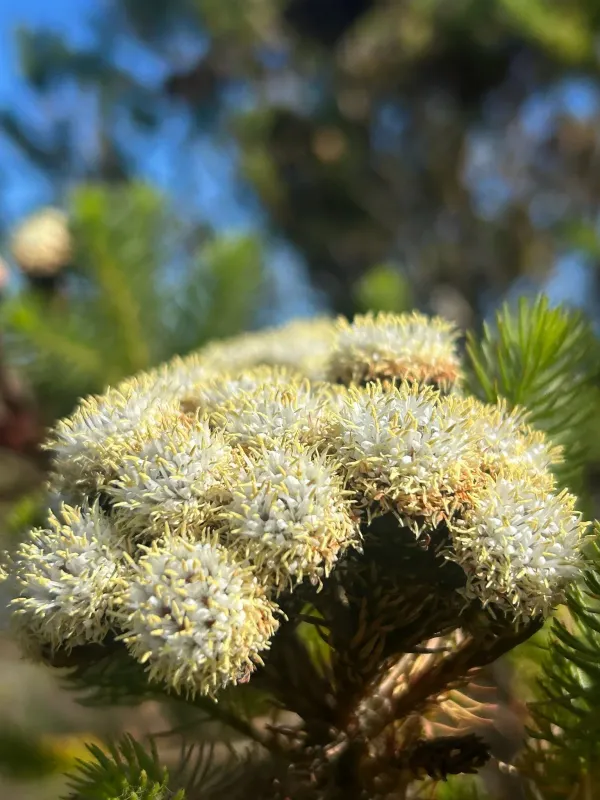
Description
Sowing dates
Propagation of Brunia albiflora is primarily achieved through seeds or stem cuttings. Seeds are sown in a light, well-draining substrate composed of peat and sand in late winter to early spring to ensure successful germination.
Seeds require specific environmental conditions and often benefit from stratification to mimic the natural South African climate. Germination is typically slow, requiring patience and consistent moisture levels without waterlogging.
Cuttings are usually taken during the summer using semi-hardwood material. This vegetative method is the preferred choice for commercial growers, as it ensures genetic consistency and uniform quality of the produced stems.
Once rooted, young plants should be gradually acclimatized to the greenhouse or outdoor environment. Avoiding root disturbance during the transfer to individual containers is crucial for the survival of the seedlings.
Establishing the plantation involves planting at a density that allows for excellent air circulation. Typically, 5 to 8 plants per square meter are used to minimize the risk of moisture-related diseases in the foliage.
Growing requirements
Brunia albiflora, belonging to the Bruniaceae family, is a unique plant native to South African fynbos. It thrives in sunny, well-lit environments, as insufficient light will significantly diminish the plant's aesthetic value and stem strength.
The species has very specific soil requirements, demanding acidic, nutrient-poor, and extremely well-draining media. Alkaline soils or heavy clays will lead to rapid root decay and are unsuitable for cultivation.
Temperatures should be maintained between 15°C and 25°C for optimal growth. While the plant can tolerate light frost, it is not hardy in harsh climates, making greenhouse production the standard for commercial floral operations.
Watering must be precise; it should be applied directly to the base of the plant. Overhead irrigation is strongly discouraged, as water accumulating in the flower heads promotes fungal growth and discoloration.
Fertilization should be kept to an absolute minimum. Brunia is highly sensitive to high salt levels in the soil, so specialized low-phosphorus fertilizers are recommended to maintain plant health without inducing chemical stress.
Yield
The primary economic value of Brunia albiflora is its use in the floral industry as a high-quality cut flower. The plant is prized for its unique globular white flower heads, which provide excellent texture in professional bouquets.
Plants generally reach a productive stage 3 to 4 years after planting. A healthy, mature shrub can yield between 15 and 30 stems per season, depending on the pruning management and environmental conditions provided.
Harvesting occurs when the flower heads reach their characteristic density and pure white appearance. Immediate post-harvest cooling is essential to maximize the vase life of the product, which can last up to two weeks.
Beyond its use in fresh arrangements, this species is highly valued as a dried floral component. The stems retain their shape and color remarkably well, making them popular for long-term interior decor and dried flower projects.
Consistent yields are achieved by careful canopy management and regular, light pruning to stimulate new growth. Proper handling of the stems during harvest prevents mechanical damage that could downgrade the floral grade.
Main diseases and pests
Fungal pathogens, particularly root rots such as Phytophthora, pose the greatest threat to Brunia plantations. These are usually triggered by poor drainage or excessive soil moisture levels during dormant periods.
Pests like spider mites and scale insects can become problematic in sheltered environments. Early detection and the application of biological controls are key to managing these infestations without harming the delicate plant tissue.
Chlorosis is a frequent issue, often caused by an incorrect soil pH or excessive mineral salt accumulation. Monitoring water quality and substrate pH is vital to prevent leaf yellowing and nutrient deficiency symptoms.
Lack of airflow within the dense shrub structure creates a microclimate conducive to mold development. Regular monitoring and thinning of the interior foliage help ensure the health of the entire crop.
- Sterilize all pruning tools to prevent the spread of pathogens.
- Use gravel or coarse mulch to protect the stem base from standing water.
- Maintain strict hygiene in the greenhouse by removing fallen leaves and debris.