
Sibara virginica
Sibara virginica
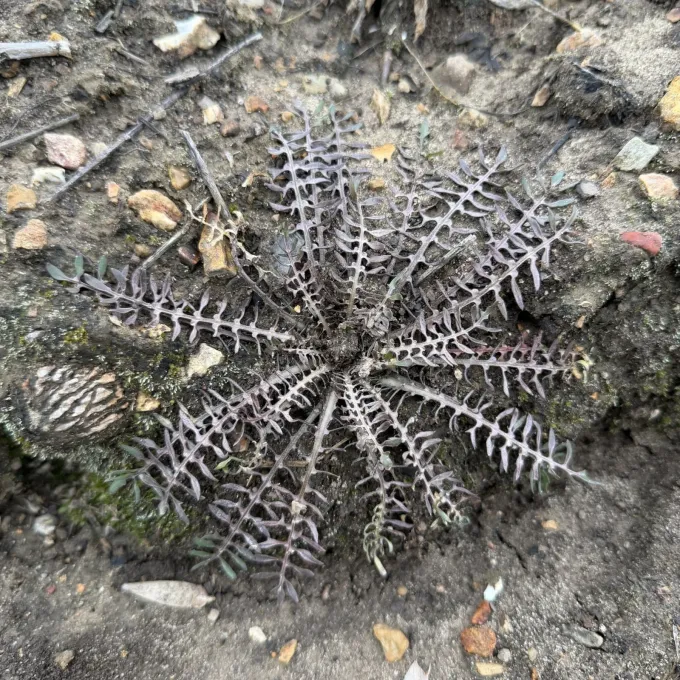
Description
Sowing dates
Sibara virginica is an annual herbaceous plant belonging to the Brassicaceae family. Under natural conditions, seeds germinate primarily during the autumn or early spring when soil temperatures become moderate.
For successful sowing in agricultural settings, it is essential to consider that the seeds require a period of dormancy and specific temperature fluctuations for optimal germination rates. The ideal sowing period occurs during the cooler months.
The sowing depth should be kept to a minimum, as small seeds have limited energy reserves. Typically, light soil coverage of no more than 0.5–1 centimeter is sufficient to promote growth.
Seeding density depends directly on the intended use, whether for cover cropping or experimental cultivation. It is recommended to maintain proper spacing between rows to ensure adequate airflow.
During spring sowing, it is critical to ensure sufficient soil moisture, as the seedlings are highly sensitive to the desiccation of the topsoil layer during the first few weeks after emergence.
Growing requirements
The plant shows high adaptability to various soil types, but it thrives best on light, well-drained sandy or loamy substrates. It does not tolerate prolonged waterlogging or stagnant water conditions.
For normal growth, Sibara virginica requires access to direct sunlight. Under shaded conditions, the plant tends to become leggy, loses its compact form, and may show a decrease in seed yield.
The crop prefers a temperate climate and possesses sufficient cold hardiness to survive the winter as a rosette in regions with mild winters. Sharp temperature fluctuations in spring often trigger the flowering phase.
Mineral nutrition requirements are moderate, but the application of nitrogen fertilizers during early growth stages promotes the formation of more robust vegetative mass, which is beneficial in crop rotation systems.
The soil pH for optimal development should remain within neutral to slightly acidic ranges. Highly acidic soils often result in stunted root system development and reduced overall vigor.
Main diseases and pests
Like most members of the Brassicaceae family, Sibara virginica is susceptible to common pests, most notably the flea beetle, which can cause significant damage to the leaf tissue.
Under high humidity and dense planting conditions, the plant may suffer from fungal diseases such as downy mildew or various types of root rot that impact the root zone.
To control pest populations, it is recommended to employ integrated agronomic methods, including proper crop rotation to prevent the buildup of soil-borne pathogens and insect larvae.
Chemical control measures should be applied with caution, taking into account the specific end-use of the crop. Insecticide application is most effective during early developmental stages when the plant is most vulnerable.
Disease prevention relies primarily on maintaining optimal plant density, which eliminates excess humidity in the root zone and effectively inhibits the proliferation of harmful fungal microflora.