
Morettia philaeana
Morettia philaeana
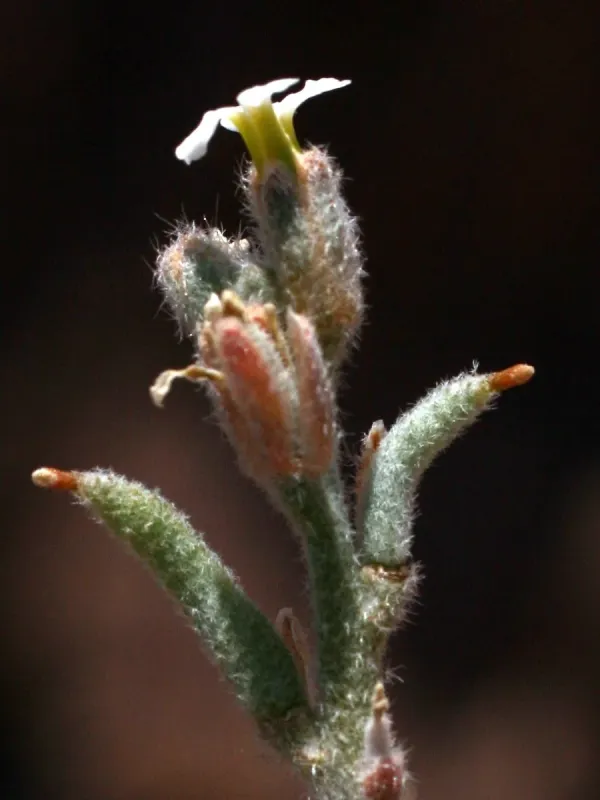
Description
Growing requirements
Morettia philaeana is a unique plant species belonging to the Brassicaceae family, specifically adapted to the harsh environments of arid deserts. Its biological structure allows it to thrive in nutrient-poor substrates where survival is the primary challenge.
The natural range of this species extends across North African deserts and parts of the Arabian Peninsula. It is highly specialized for high-temperature climates and low-rainfall zones, making it a subject of interest for specialized arid-land agronomy.
Botanically, Morettia philaeana features specialized pubescence and root systems that optimize water absorption and retention. These adaptations serve to protect the plant from extreme heat and minimize moisture loss through evaporation.
Regarding cultivation requirements, the plant demands full solar exposure and well-drained, sandy soils. It is not suitable for heavy clay or saline environments, as these impede its root development and natural water cycle management.
The primary agricultural use for Morettia philaeana is soil stabilization and erosion control. Its role as a pioneering species in sandy deserts makes it a vital component for environmental restoration and preventing desertification processes.
Main diseases and pests
The main threats to the plant include extreme drought conditions that exceed its natural adaptation limits, particularly during the germination phase. Lack of seasonal rainfall can prevent the entire generation from maturing.
Desert pests, particularly swarms of grasshoppers and various locust species, pose a significant risk to the plant's survival. These insects can strip the foliage, leading to the rapid decline of individual plants and local populations.
Disease pressures in arid environments are relatively low, but fungal infections like root rot can occur if soil moisture becomes stagnant. Maintaining a well-drained environment is the primary preventative measure for the plant's health.
Overgrazing by domestic livestock in arid regions represents a serious threat to natural populations. Implementing protective grazing management strategies is essential for maintaining the presence of Morettia philaeana in its native habitats.
Competition from invasive xerophytic weeds can also negatively affect the growth of this crop. Monitoring local biodiversity and ensuring the plant has enough space to establish its root network is crucial for agricultural success.