
Lycocarpus fugax
Lycocarpus fugax
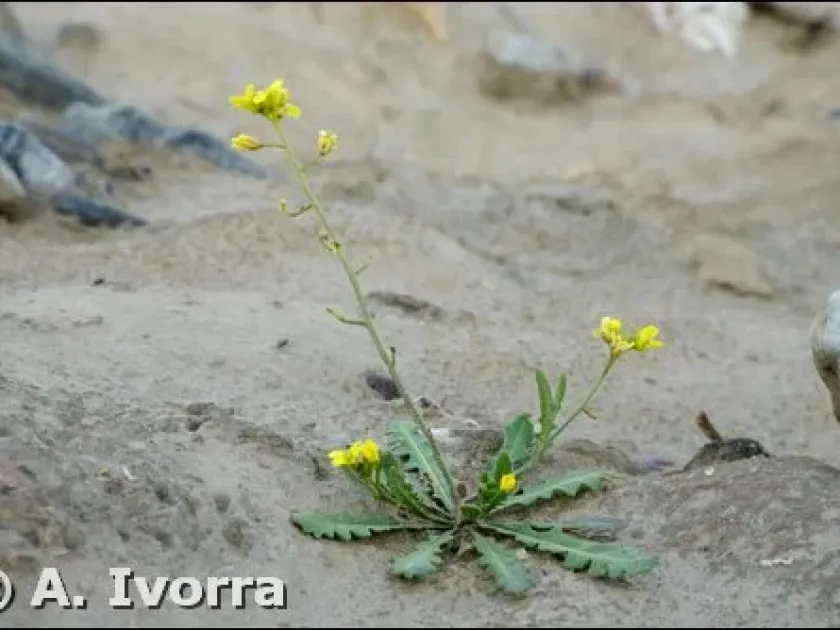
Description
Growing requirements
Lycocarpus fugax is an annual herbaceous plant belonging to the Brassicaceae family. It is known for its adaptation to arid environments, featuring a resilient physiological structure that allows it to thrive in nutrient-poor, dry soil conditions.
The native habitat of this plant typically includes dry, sandy, or stony terrain across parts of Western Asia. It is highly valued in its environment for its ability to stabilize soil and survive where other more demanding crops fail.
For agricultural cultivation, the plant requires well-drained soil with a neutral to slightly alkaline pH. Proper soil aeration is the most critical factor for root development, as the plant is susceptible to root rot if the substrate becomes waterlogged.
Lycocarpus fugax demands full sun exposure and a dry climate to reach its full vegetative potential. High humidity and low light levels are detrimental to the plant, often leading to stunted growth and increased vulnerability to pathogens.
Agronomic management should focus on maintaining a low-density planting scheme to prevent competition for resources. Nitrogen levels should be moderate; excessive fertilization often results in weak stems and increased susceptibility to environmental stress.
Main diseases and pests
The primary agricultural threats to Lycocarpus fugax are typical cruciferous pests, such as flea beetles, which can cause significant damage to seedlings. Early-stage protection is vital for crop success.
Fungal infections, particularly powdery mildew, pose a serious risk during periods of high humidity or poor ventilation. Implementing a layout that allows for optimal airflow is a primary defense strategy against such pathogens.
Root system pests, including various types of nematodes, can also affect the productivity of this crop. Soil analysis prior to planting is recommended to ensure the absence of high populations of soil-borne pathogens.
Integrated Pest Management (IPM) practices, including the use of trap crops, can help mitigate pest pressure without relying on intensive chemical interventions. This maintains the ecological balance of the cultivated area.
Late-season monitoring for aphids and other sap-sucking insects is essential, as these pests can facilitate the transmission of systemic viruses that significantly impact the quality of the harvest.