
Eutrema tenue
Eutrema tenue
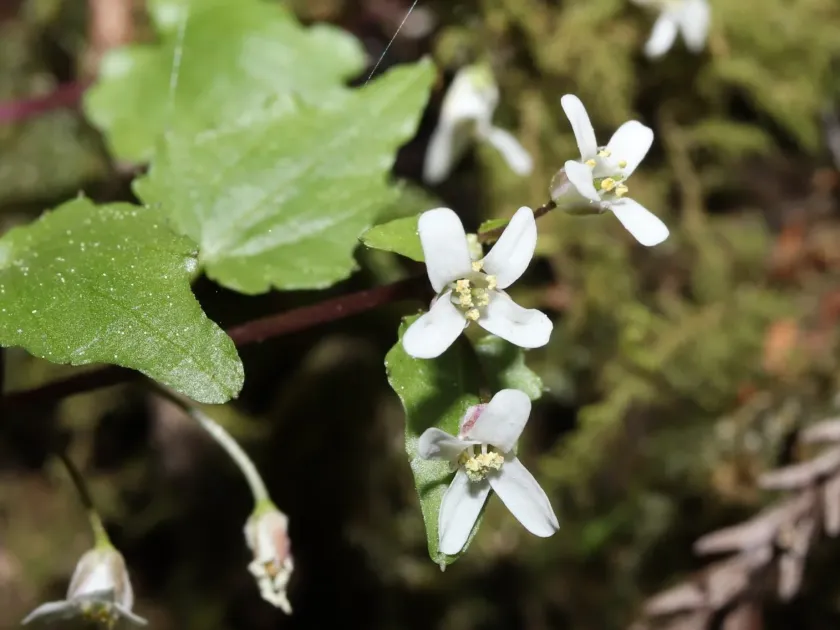
Description
Sowing dates
Eutrema tenue, a member of the Brassicaceae family, requires early spring sowing once the soil begins to warm up. The seeds are small and should be sown in shallow rows, typically no deeper than 0.5 to 1 centimeter, to ensure proper germination and access to necessary light.
Row spacing should be maintained at 20–25 centimeters to allow for optimal airflow and development. Proper preparation of the seedbed is crucial; the soil must be fine-textured, loose, and well-aerated to support the rapid development of the root system during the initial stages.
Maintaining soil moisture is essential for successful germination. In dry conditions, consistent irrigation or the use of protective covers is recommended to keep the top layer of soil moist until the seedlings emerge, which typically takes about two weeks.
For regions with shorter growing seasons, starting Eutrema tenue in greenhouses or seed trays is highly effective. Seedlings should be transplanted to the permanent site once they develop two or three true leaves, ensuring that the roots remain undisturbed during the process.
Thinning the seedlings is a vital agronomic step. Once the plants reach the two-leaf stage, they should be thinned to a spacing of 10–15 centimeters apart. This prevents overcrowding, which can otherwise lead to stunted growth and increased susceptibility to fungal diseases.
Growing requirements
This crop thrives in consistently moist, well-drained soils rich in organic matter. Loamy or sandy-loam soils are ideal, as they allow for healthy root expansion while preventing the waterlogging that can easily lead to root rot in this species.
Eutrema tenue prefers a temperate climate with optimal temperatures ranging between 15 and 20 degrees Celsius. Extreme heat is detrimental to the plant, as it accelerates bolting and significantly reduces the tenderness and flavor profile of the foliage.
While the plant requires sufficient sunlight for vigorous growth, it is sensitive to direct, intense midday sun. Providing partial shade or selecting a site with filtered light is recommended, especially in regions with high summer temperatures to prevent leaf scorch.
The plant responds well to balanced nutrition. A light application of well-rotted compost or organic fertilizer prior to planting usually suffices. It is important to avoid excessive nitrogen, which can lead to high nitrate accumulation in the leaves and reduced overall quality.
Weed control is a fundamental aspect of managing this crop. Due to its relatively slow initial growth rate, Eutrema tenue can be easily overtaken by weeds, so frequent shallow cultivation or mulching is recommended to reduce competition for nutrients and water.
Main diseases and pests
The most significant pest threat to Eutrema tenue is the flea beetle, which can cause severe damage to young foliage in a very short time. Early monitoring and the use of physical barriers like fine mesh covers are effective strategies for protection.
Aphids can also colonize the undersides of the leaves, drawing sap and causing curling and yellowing. Managing these pests often involves using natural predators or mild biological insecticides to preserve the safety of the leaves for human consumption.
Fungal diseases, such as clubroot or downy mildew, represent major threats, particularly in high-humidity environments. Implementing a strict crop rotation cycle—avoiding other Brassicaceae on the same plot for several years—is critical for preventing the buildup of soil-borne pathogens.
Slugs and snails may damage the leaves, especially during wet seasons. Creating physical barriers like crushed shells or using non-toxic baits around the perimeter of the crop can help mitigate these losses without impacting the quality of the greens.
To reduce disease risk, it is important to avoid overhead irrigation whenever possible. Watering at the base of the plant keeps the foliage dry, which discourages the germination of fungal spores and helps maintain a healthier plant environment.
Harvesting
Harvesting should be performed selectively, focusing on the outer leaves of the rosette once they reach the desired maturity. This allows the inner leaves to continue growing, extending the productive life of the plant throughout the growing season.
The best time for harvesting is during the early morning when the leaves are fully turgid and crisp. Using a clean, sharp knife to cut the stems near the base ensures a precise harvest without causing unnecessary trauma to the remaining plant tissues.
Post-harvest handling is critical for maintaining quality. The leaves should be cooled immediately and stored in a cool, dark environment. Using ventilated containers or plastic bags with small holes helps maintain the humidity level required to prevent wilting.
If seed production is the goal, selected plants should be allowed to bolt and develop seed pods. It is essential to monitor the pods closely; they should be harvested just before they reach the stage of spontaneous dehiscence to avoid losing the tiny, valuable seeds.
Regular harvesting also serves as a maintenance practice, as it prevents the plant from diverting energy into premature flowering. With proper care and harvesting techniques, a single plot can yield multiple cuttings of high-quality greens.