
Eutrema salsugineum
Eutrema salsugineum
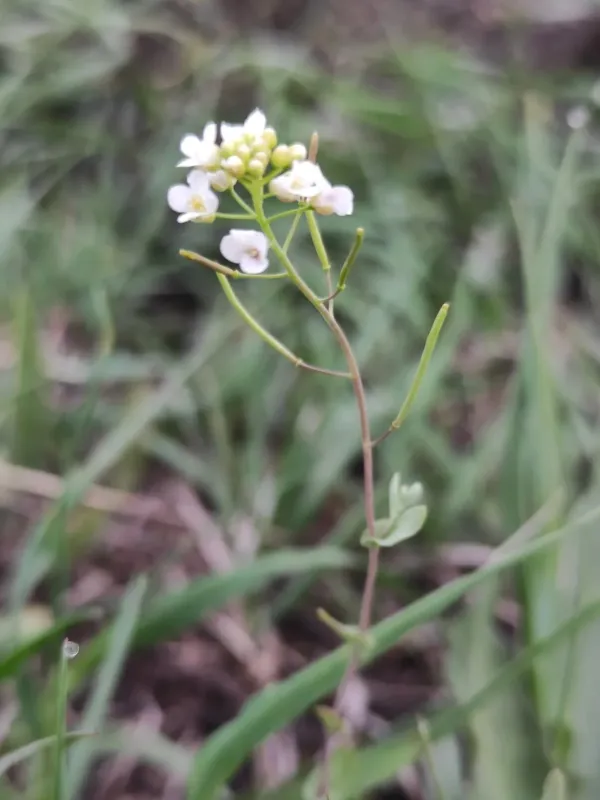
Description
Sowing dates
Eutrema salsugineum belongs to the Brassicaceae family and is recognized as a key model organism for studying salt tolerance in plants.
Sowing should take place in early spring, as the plant is well-adapted to cooler conditions and typically experiences a rapid growth cycle.
The seeds are small and require a finely prepared, moist seedbed to ensure successful germination and early seedling establishment.
Placement in the soil should be shallow, as deep burial can inhibit the natural germination process triggered by light availability.
Standard spacing techniques are applied to minimize competition between plants, allowing each individual to develop a robust rosette of leaves.
Growing requirements
The plant demonstrates remarkable physiological adaptation to high soil salinity, which is its primary agronomic characteristic.
Optimal growth conditions include well-drained, porous soils that prevent waterlogging, which the plant is highly sensitive to during its early development stages.
Temperature requirements are generally moderate; Eutrema thrives in cool to temperate climates where it can complete its life cycle before intense summer heat.
Proper nutrient management is essential, particularly focusing on nitrogen and phosphorus levels, which support rapid biomass accumulation during the vegetative phase.
Exposure to full sunlight is preferred, though moderate cooling or shading may be beneficial in regions with exceptionally high solar radiation levels.
Main diseases and pests
Common fungal diseases, including various types of mildew and root rot, can compromise plant health under conditions of poor ventilation or high humidity.
Pests such as cabbage aphids and flea beetles represent the most significant threat to the leaf tissue, necessitating regular monitoring and integrated management.
Integrated pest management protocols, including physical barriers or biological controls, are recommended to preserve the integrity of the crop.
Crop rotation is vital to disrupt the life cycles of soil-borne pathogens and pests that specifically target members of the mustard family.
Regular field scouting is essential to identify early symptoms of stress or pest infestation before they spread across the entire cultivation area.