
Laurelia
Laurelia
Laurelia is a genus of evergreen trees belonging to the Atherospermataceae family. Its native range is primarily localized in the temperate rainforests of Chile, New Zealand, and some Pacific islands, where it thrives under high humidity conditions.
What the section contains


Laurelia
This crop requires a mild maritime climate to prosper, as it is sensitive to extreme temperatures. Frosts, especially when prolonged, can significantly damage the tree's health, making it suitable only for specific frost-free or mild-winter regions.
Soil requirements are strictly linked to drainage. Laurelia prefers deep, nutrient-rich, well-draining soils with a slightly acidic to neutral pH level. Waterlogging should be strictly avoided to prevent root suffocation, which the genus is highly susceptible to.
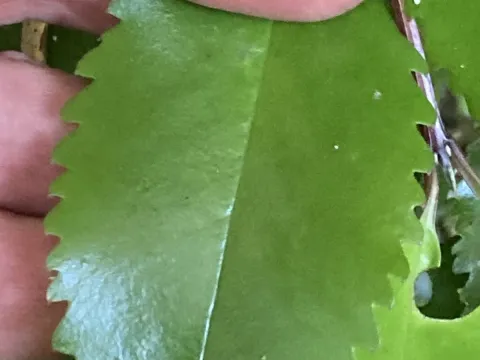
The botanical profile of Laurelia includes distinctive, leathery, and aromatic leaves filled with essential oils. The trees exhibit a slow growth rate, gradually developing a robust structure that provides stable wood production in sustainable forestry management.
Economically, Laurelia is valued for its high-quality timber, which is often used in cabinetry and fine furniture crafting due to its attractive color and durable texture. Furthermore, some species have historical importance in traditional oil extraction.
The primary threats to Laurelia populations are fungal diseases, particularly those that manifest as root and collar rot in poorly drained, water-saturated soils. These conditions foster the proliferation of soil-borne pathogens.
Pests such as aphids and specialized mites can attack the delicate foliage of young trees. Heavy infestations can lead to stunted growth and reduced vigor, requiring timely biological or chemical intervention.
Leaf spot diseases are common when ventilation is insufficient. Planting the trees with adequate spacing is a key agrotechnical measure to ensure proper airflow and decrease the humidity around the canopy.
Stem borers pose a localized threat to mature trees, as they weaken the structural integrity of the trunk. Regular inspections of the bark are necessary to detect early stages of infestation.
Preventive maintenance involves removing infected deadwood and maintaining a clean orchard floor to minimize the habitat for pathogens and pests during the dormancy period of the trees.