
Astragalus tremolsianus
Astragalus tremolsianus
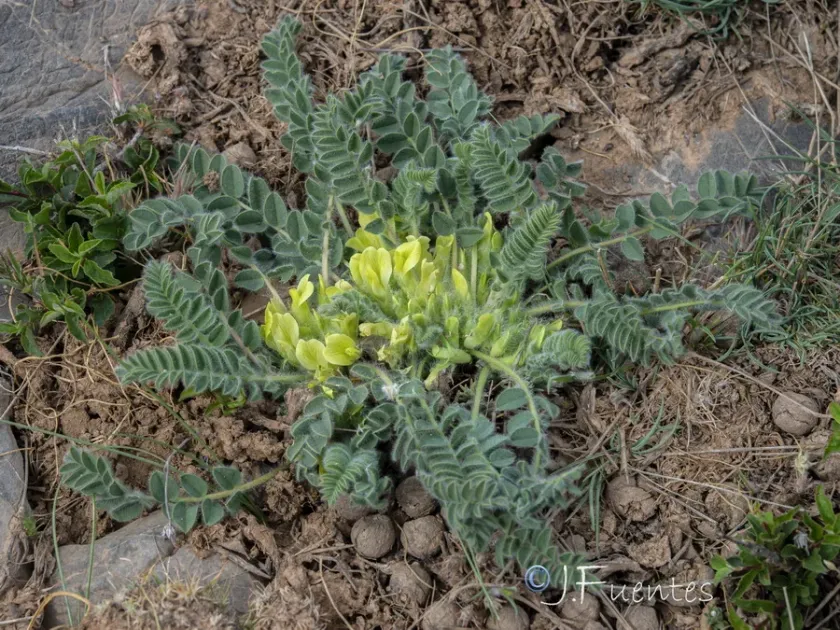
Description
Sowing dates
Astragalus tremolsianus is a resilient perennial species that adapted to the harsh environmental conditions of its mountainous natural habitats.
Seed germination typically occurs in the early spring, coinciding with snowmelt which provides essential moisture for the developing embryos.
For agricultural or conservation purposes, seeds often require scarification to penetrate the hard outer seed coat and ensure successful emergence.
When cultivating this species, timing is crucial, as the seeds require sufficient time to establish a deep taproot before the onset of summer drought.
Proper bed preparation involves using rocky or gravelly substrates to prevent moisture accumulation around the delicate root zones of emerging seedlings.
Growing requirements
Belonging to the Fabaceae family, Astragalus tremolsianus is an endemic species primarily distributed within the rocky terrains of Spain.
The species demonstrates a strong preference for calcareous soils, which provide the specific mineral balance necessary for its healthy physiological development.
High solar irradiance is a fundamental requirement, as this xerophytic plant relies on direct sunlight to drive photosynthesis in rocky, high-altitude environments.
Tolerance to extreme temperature fluctuations and low water availability makes this plant an interesting subject for studies on plant stress adaptation.
The culture thrives in well-drained, nutrient-poor conditions, meaning that intensive fertilization is often counterproductive and may damage the plant's natural balance.
Main diseases and pests
Astragalus tremolsianus is remarkably resistant to typical agricultural pests due to the presence of secondary metabolites that act as natural chemical deterrents.
Fungal pathogens represent the most significant threat to the health of the plant, especially if cultivated in environments with poor drainage or high humidity.
Root rot remains the primary cause of mortality under incorrect cultivation practices where soil aeration is insufficient for the plant's metabolic needs.
Environmental stressors such as climate change and human activity pose the greatest threats to the survival of wild populations of this delicate species.
Maintaining a balanced, arid-like microclimate is essential to prevent the accumulation of pathogens and ensure the long-term survival of the crop in cultivation.