
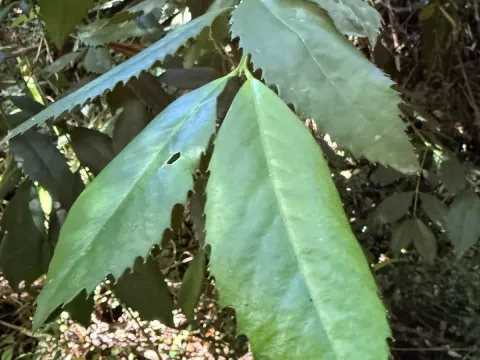
Laureliopsis
Laureliopsis
Laureliopsis is a genus of evergreen trees belonging to the Atherospermataceae family. This species is native to the temperate rainforests of Chile and parts of Argentina, where it is a vital component of the local forest structure.
What the section contains

Laureliopsis
The tree thrives in cool, moist climates with high annual precipitation levels. It is highly sensitive to extreme heat and drought, requiring a stable microclimate to maintain its physiological functions and leaf health.
Soil requirements include well-drained, nutrient-rich substrates. While the tree appreciates high ambient humidity, it is susceptible to root rot if the soil becomes waterlogged, making slope drainage a critical aspect for healthy growth.
Botanically, the tree exhibits a columnar growth habit, often reaching heights of 30 meters in primary forests. Its leaves contain volatile oils that provide a distinctive aroma, acting as a natural defense mechanism against herbivores.
Economically, Laureliopsis is primarily harvested for its wood, commercially known as Tepa. This timber is valued for its versatility, aesthetic appeal, and suitability for high-end furniture manufacturing and interior construction.
Pathogenic fungi pose the most significant threat to the health of Laureliopsis populations. Excessive soil moisture combined with poor air circulation often leads to root and stem rot, which can prove fatal if left unmanaged in plantations.
Wood-boring insects are the primary pests that affect timber quality. These insects target weakened trees, creating galleries in the trunk that severely impact the wood structure and commercial value, requiring proactive pest management strategies.
Habitat degradation is a major concern, as the native forests are often cleared for land use. The loss of canopy cover increases temperature fluctuations, which the tree is not adapted to, thereby reducing its survival rate in the long term.
In managed silvicultural settings, foresters must implement rigorous sanitary protocols. Removing diseased wood and ensuring optimal tree spacing helps in preventing the rapid spread of infections throughout the stand.
Conservation efforts are essential to maintain genetic diversity. Monitoring tree health through satellite imagery and periodic on-ground assessments allows for the early detection of stress, ensuring the sustainability of the resource.