
Atherosperma
Atherosperma
Atherosperma is a genus of evergreen trees belonging to the family Atherospermataceae. The most prominent species, Atherosperma moschatum, commonly known as the Southern Sassafras, is native to the temperate rainforests of Australia and Tasmania.
What the section contains

Atherosperma
The tree thrives in cool, moist climates where seasonal temperature fluctuations are moderate. It is typically found in shaded forest environments where the canopy provides natural protection from direct solar radiation and maintains consistent humidity levels.
Optimal soil conditions for this culture include deep, fertile, and well-draining soils rich in organic matter. A slightly acidic pH level is preferred, as this mimics the natural forest floor environment where the tree achieves its greatest growth potential.
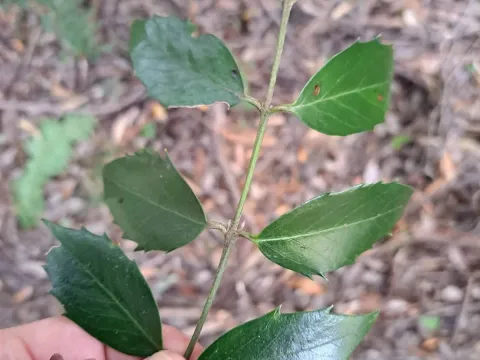
Botanically, the tree is characterized by its aromatic, opposite leaves that emit a distinct musk-like scent when crushed. Its flowers are relatively simple in structure, usually exhibiting creamy white petals that contribute to the plant's aesthetic appeal in its native habitat.
In terms of practical use, the bark of Atherosperma moschatum has been documented for its medicinal properties. Historically used by indigenous populations, the bark contains specific alkaloids currently undergoing study for potential pharmaceutical applications.
Fungal diseases represent a significant threat to Atherosperma populations, particularly in environments where soil drainage is inadequate. Root rot is a common issue that can lead to the rapid decline of mature specimens if not addressed through environmental management.
Various insect pests, including wood-boring larvae and sap-sucking insects like scale, can cause structural damage to the tree. These pests target the vascular system of the tree, potentially introducing secondary pathogens that further weaken the plant's defense mechanisms.
Habitat fragmentation remains the primary ecological threat to this species. As urban and agricultural expansion continues, the availability of stable, shaded forest patches decreases, making it harder for the species to thrive and regenerate naturally.
Competition from invasive plant species often hinders the establishment of young saplings. Rapidly growing weeds can effectively outcompete Atherosperma for light and soil nutrients during the early stages of its development, necessitating active intervention.
Effective management of Atherosperma threats involves periodic forest health assessments and the maintenance of appropriate canopy density. Controlling the spread of opportunistic fungi requires careful management of site moisture levels and the protection of healthy biodiversity.