
Laurel tree
Laurelia sempervirens
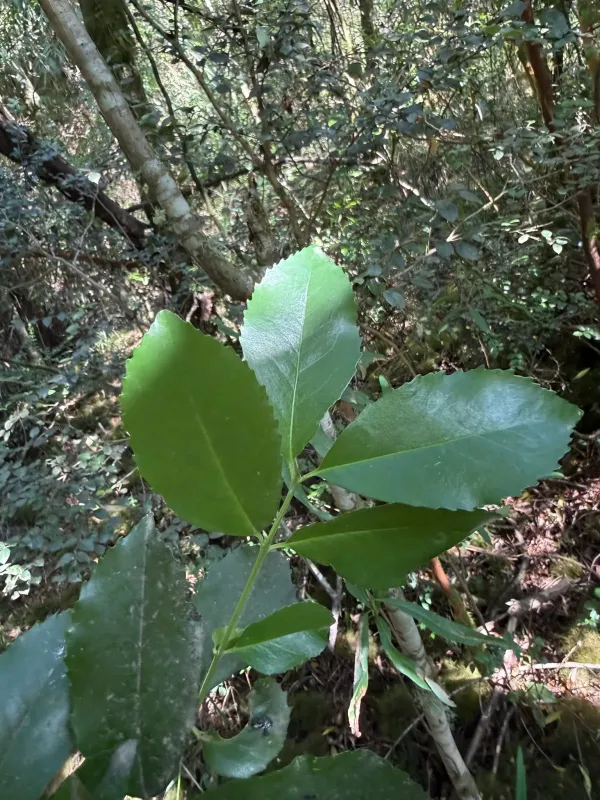
Description
Growing requirements
Laurelia sempervirens, belonging to the Monimiaceae family, is a large evergreen tree native to the temperate rainforests of Chile.
This species thrives in humid subtropical or temperate climates characterized by minimal temperature fluctuations and consistent annual rainfall.
Successful cultivation requires deep, well-drained, and fertile soils rich in organic matter. Despite its affinity for moisture, the tree is highly sensitive to waterlogging and requires protection from desiccating winds.
Agronomic management involves providing shade for young seedlings, as they are susceptible to damage from direct solar radiation. The ideal temperature range for its development is between 10 and 22 degrees Celsius.
The economic value of the species is primarily derived from its high-quality wood, which is favored in carpentry and construction for its durability and resistance to decay.
Main diseases and pests
The primary threats to Laurelia plantations include fungal root diseases, which typically emerge when soil drainage systems fail to function correctly.
Pests that affect the foliage, such as various types of leaf beetles, can significantly reduce photosynthetic efficiency during outbreaks.
Climate change poses a particular threat, as alterations in microclimates can lead to the drying of the topsoil, which is critical for the root systems of young trees.
Phytosanitary monitoring requires regular inspections of the bark and leaves to detect symptoms of spotting caused by pathogenic organisms.
The application of chemical insecticides and fungicides on an industrial scale is limited due to the necessity of maintaining the ecological integrity of the tree's native habitats.