
Atherosperma muticum
Atherosperma muticum
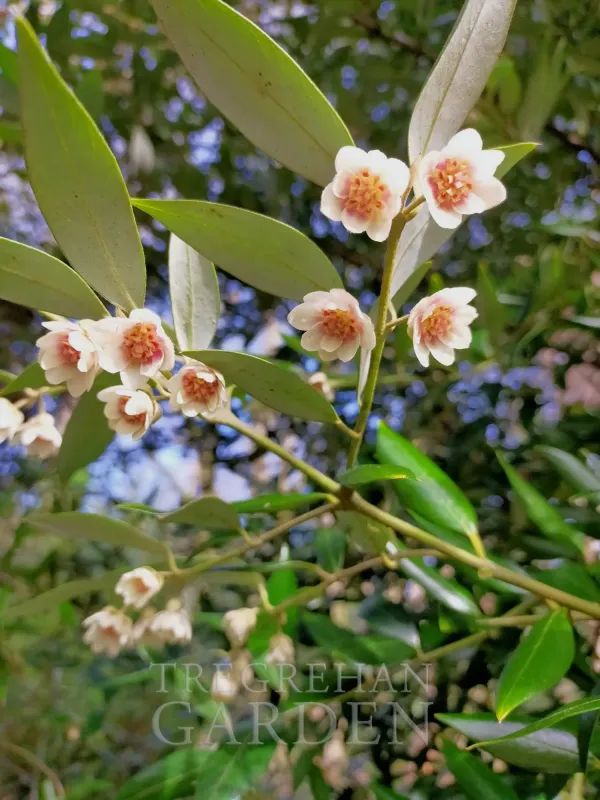
Description
Growing requirements
Atherosperma muticum is a notable member of the Atherospermataceae family, characterized by its specialized adaptation to moist temperate environments. It is recognized as an evergreen woody plant that plays a specific role in regional biodiversity.
The botanical structure of this species includes thick, leathery leaves capable of retaining moisture and a complex root system that thrives in nutrient-dense organic soils. It is highly sensitive to environmental stress, particularly to extremes in moisture levels.
Optimal growing conditions require well-draining, slightly acidic soil enriched with compost or peat. Proper drainage is essential, as the species is highly susceptible to root decay if water saturation persists around the collar of the plant.
Regarding climate, the plant demands consistent ambient humidity and protection from harsh, drying winds. It performs best in areas with moderate annual temperature ranges, avoiding both frost and severe heat waves which can damage the delicate foliage.
Management practices emphasize sustainable cultivation, including mulching to protect the surface roots from temperature fluctuations. While it does not require heavy pruning, periodic inspection for moisture balance and soil acidity is necessary to maintain long-term plant health.