
Southern Sassafras
Atherosperma moschatum
Description
Growing requirements
Southern Sassafras (Atherosperma moschatum) is a member of the Atherospermataceae family. This evergreen tree is native to the temperate rainforests of Tasmania, Victoria, and New South Wales, often found in cool, humid environments.
The crop requires a stable climate with consistent rainfall and high atmospheric humidity. It flourishes in rich, loamy, well-drained forest soils that provide constant moisture without the risk of waterlogging.
As a slow-growing species, it is not suitable for rapid mass production but is highly valued for niche forestry and medicinal research. It generally prefers sheltered locations that mimic its natural understory habitat.
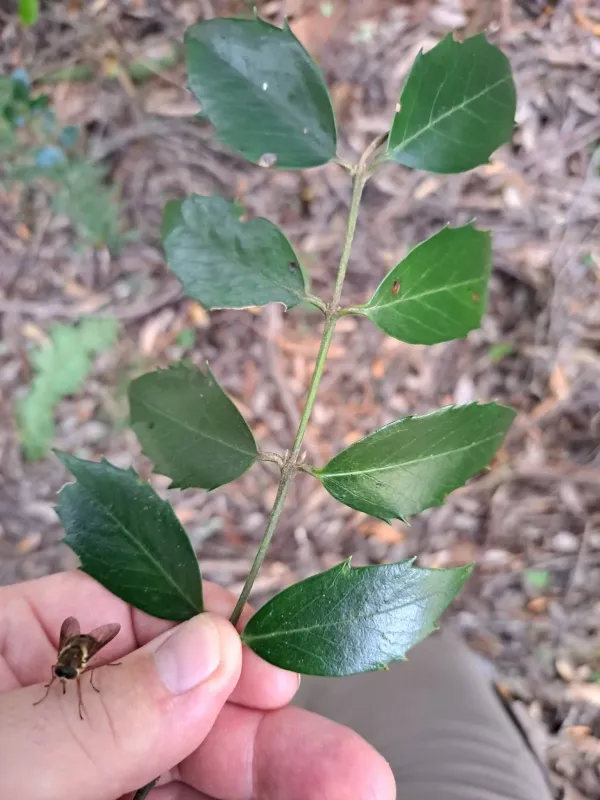
Botanically, it features dark, glossy leaves that are serrated along the edges. When bruised, the foliage releases a strong musky scent, which serves as a primary identifying characteristic of the species.
The tree is primarily utilized in the pharmaceutical industry for its bark, which contains alkaloids with potential therapeutic benefits. Additionally, the wood is sometimes used for specialty woodworking due to its fine texture and aesthetic qualities.
Main diseases and pests
The primary threats to this species include soil-borne pathogens that thrive in overly wet conditions, leading to root rot. Maintaining proper soil structure and drainage is essential to safeguard the health of the trees.
Insect pests, particularly those that feed on young shoots and foliage, can cause significant damage during the plant's early growth stages. Integrated pest management and careful site monitoring are advised for successful cultivation.