
Vernonia poskeana
Vernonia poskeana
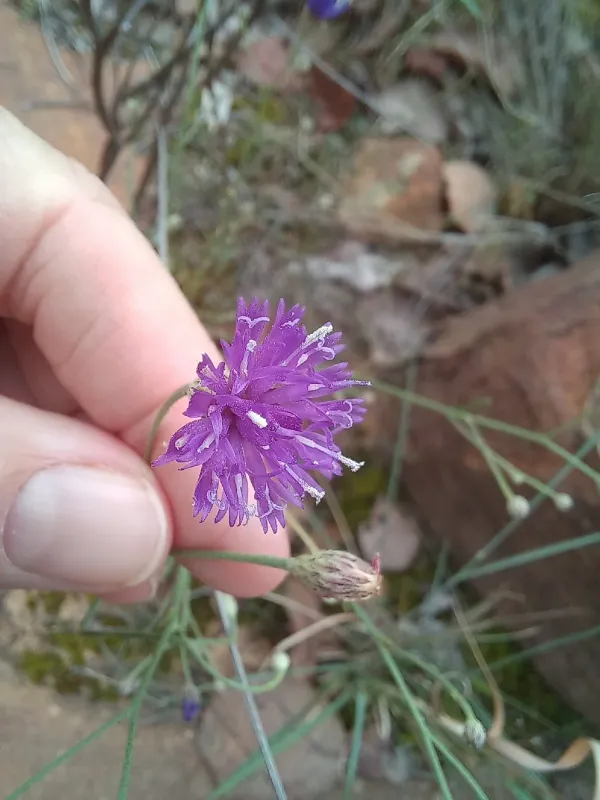
Description
Sowing dates
Vernonia poskeana is a significant representative of the Asteraceae family, well-adapted to the ecological conditions of the African savanna and similar tropical regions.
The planting process begins with the arrival of the monsoon rains. The soil temperature must reach a sufficient level for rapid germination, typically above 20 degrees Celsius.
Seeds are sown in shallow furrows, keeping in mind the tiny size of the seed. Direct contact with moisture-rich soil particles is crucial for breaking dormancy and initiating root growth.
Crop density is adjusted based on the intended usage, whether it is for essential oil production, biomass, or seed harvesting. Precise seed drills are recommended for professional farms.
Once planted, the field requires minimal disturbance. Effective weed control in the first 30 days is the most important factor in ensuring successful establishment and yield.
Growing requirements
This crop thrives in well-drained, porous soils. It is particularly efficient at utilizing moisture in sandy-loam environments while showing moderate tolerance to short drought spells.
Full sun exposure is a non-negotiable requirement. Vernonia poskeana performs best when there is a clear day-night temperature cycle, which aids in its secondary metabolism.
Soil pH should ideally range from 6.0 to 7.5. Extremely acidic soils require lime application to prevent micro-nutrient toxicity and ensure efficient root uptake.
Nutritional needs are focused on potassium, which supports plant resilience and oil synthesis. Excessive nitrogen application should be avoided as it promotes leaf growth at the expense of floral development.
The plant demonstrates good heat tolerance but growth slows down significantly if temperatures drop below 15 degrees Celsius during the active vegetative phase.
Yield
Yield parameters for Vernonia poskeana vary based on the specific strain and the amount of precipitation during the flowering stage. Under ideal conditions, the plant produces dense, high-quality seed clusters.
Average yield of seeds per hectare depends on the density of the planting and soil fertility. Advanced farming techniques have shown significant potential in optimizing these outputs through precise irrigation.
Biomass production is also a consideration for industrial usage. The harvested plant material can be processed for extracts, making it a dual-purpose crop in some regions.
Harvest timing is critical for maximum yield. Collecting the seeds when they reach full maturity but before spontaneous shedding is the key to minimizing losses during the mechanical harvest.
Consistent record-keeping of yields helps farmers select the best-performing genotypes for the following season, contributing to sustainable local agricultural improvement.
Main diseases and pests
The main threats to Vernonia poskeana include various species of aphids that thrive in the lush green canopy. These pests can transmit viral pathogens if not controlled early.
Damping-off disease is a primary concern for young seedlings if the planting area is too wet or lacks air circulation. Good drainage remains the best preventative measure against this threat.
Fungal leaf spots can occur during the late stages of growth. Applying copper-based fungicides or bio-fungicides is effective in keeping the foliage healthy until the end of the harvest.
Some local lepidopteran species can cause damage to the leaves. Integrated pest management (IPM) practices, such as encouraging natural predators, are preferred over broad-spectrum pesticides.
Root rot is rarely an issue unless the soil structure is extremely poor or heavy clay content creates permanent waterlogging conditions.
Harvesting
Harvesting Vernonia poskeana is a precise operation that requires identifying the physiological maturity of the seeds. Color change in the involucre is a standard visual indicator for harvesters.
Mechanical harvesting using combines requires proper header adjustment to prevent shattering of the seeds. A slow ground speed is recommended to ensure gentle handling of the material.
Post-harvest handling involves rapid drying of the harvested seed lots. Excessive moisture in storage can lead to molding and significant loss of oil quality.
Seeds should be stored in cool, ventilated facilities with controlled humidity to ensure longevity and maintain the integrity of their chemical components.
Proper cleaning of the seed after harvest is necessary to remove chaff and field debris, ensuring a high-grade product for industrial processing or further market distribution.