
Vittadinia australis
Vittadinia australis A. Rich.
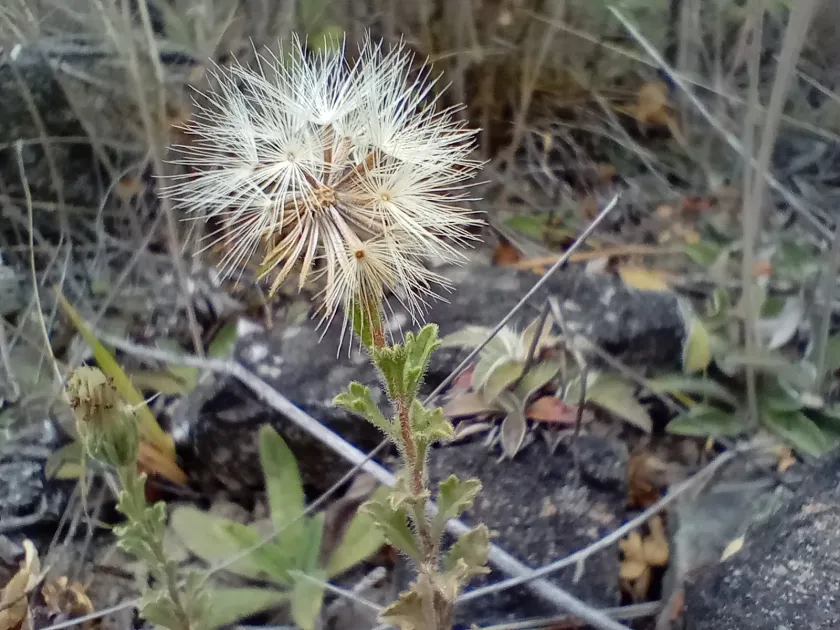
Description
Sowing dates
Vittadinia australis is a perennial herbaceous plant belonging to the Asteraceae family. It is valued for its ability to form dense, attractive mats, making it suitable for landscape restoration and garden design.
Seeds are typically sown in early spring. Optimal germination occurs in containers filled with well-draining, lightweight seed-starting mix, maintained at temperatures ranging from 18 to 22 degrees Celsius.
Surface sowing is recommended as the seeds require light to germinate effectively. A thin layer of fine sand can be applied to keep the seeds in place without burying them too deep.
Seedlings should be kept in a well-lit area to promote sturdy, compact growth. Transplanting into individual pots or outdoors should occur once the risk of frost has completely passed.
Proper spacing is crucial for long-term health. A distance of 30-40 cm between individual plants encourages airflow and prevents the overcrowding that often leads to physiological issues.
Growing requirements
Vittadinia australis thrives in full sun exposure. While it may tolerate partial shade, maximum flowering and compact habit are best achieved in locations with at least 6-8 hours of direct sunlight.
The plant requires well-drained, sandy, or loamy soil. It is highly sensitive to waterlogged conditions, which frequently lead to root rot and loss of plant vigor during wet seasons.
Soil pH should ideally be neutral or slightly alkaline. The plant is adaptable to various soil types, provided they do not hold excessive moisture and offer adequate aeration for the root system.
While established plants show good drought tolerance, regular watering during the first growing season is essential for root establishment. Supplemental irrigation should focus on the base of the plant.
Fertilizer application should be moderate. An all-purpose balanced fertilizer applied in early spring helps boost vegetative development, but avoid excessive nitrogen to prevent weak, leggy stems.
Main diseases and pests
Powdery mildew represents the primary fungal challenge, particularly in humid or stagnant air environments. Good garden hygiene and proper plant spacing are the best preventative measures.
Root rot, caused by various soil-borne pathogens, is a significant threat in poorly drained soils. Maintaining proper soil structure and avoiding over-irrigation are critical management strategies.
Aphids can infest the soft, growing tips of the plants. If populations become high, they can cause stunted growth and invite secondary issues like sooty mold.
Spider mites may become problematic during hot, dry spells. Regular inspection of the undersides of leaves and increasing ambient humidity can help deter these pests.
Integrated pest management, including the use of horticultural oils or insecticidal soaps, is recommended when pest thresholds are exceeded, ensuring minimal impact on beneficial insects.