
Vicoa indica
Vicoa indica (L.) DC.
Description
Growing requirements
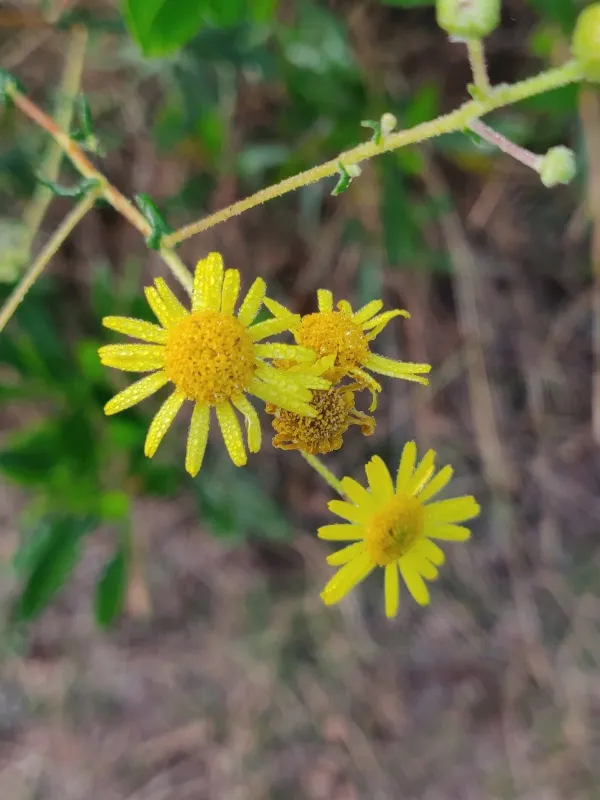
Vicoa indica, also widely recognized by the synonym Pentanema indicum, is a herbaceous plant belonging to the Asteraceae family. It is native to the regions of South Asia and is highly valued for its medicinal properties and chemical composition.
The crop thrives in well-drained, sandy-loam soils with good aeration. It requires moderate fertility levels to produce high-quality foliage. Maintaining the soil structure is essential for the robust development of its root system.
Being a tropical species, it requires high temperatures and direct sunlight for optimal growth. It is sensitive to frost and extreme cold, necessitating cultivation in regions with stable, warm climate patterns throughout the vegetative season.
Water requirements include regular, controlled irrigation. Although it has some drought resistance, consistent moisture levels during the peak growth phase significantly enhance the yield of the raw plant biomass.
Agronomic practices for this species focus on precise spacing to maximize air circulation. Weed control is essential during the early stages of development to prevent competitive stress on the young seedlings.
Main diseases and pests
The primary threats to Vicoa indica include fungal pathogens such as rusts and mildews, which flourish in high-humidity environments. These infections can rapidly compromise the health of the plant.
Insect pests, including aphids and whiteflies, are frequent invaders that target the tender leaves. These pests can transmit viral pathogens, which are often difficult to treat once established in a field.
Implementation of a systematic monitoring program is crucial for early pest detection. Integrated Pest Management (IPM) techniques are recommended to maintain ecological balance while protecting the crop.
Soil-borne pathogens like Fusarium or Pythium can cause damping-off in younger plants if the drainage is poor. Proper land preparation and soil treatment are vital before sowing to minimize these risks.
Regular sanitation of the production site, including the removal of crop residues after harvest, helps to interrupt the lifecycle of many common pathogens, ensuring a healthier subsequent crop.