
Verbesina fastigiata
Verbesina fastigiata
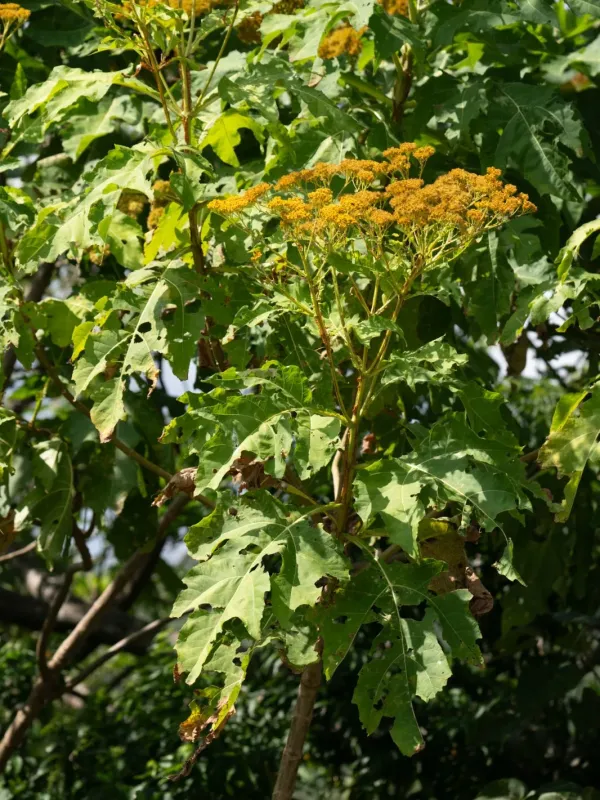
Description
Growing requirements
Verbesina fastigiata is a perennial herbaceous plant belonging to the Asteraceae family. This species is recognized for its robust structure and unique flowering patterns, making it a subject of interest for both decorative and experimental agricultural cultivation.
The plant originates from South American regions, requiring a stable climate with adequate moisture. In agricultural practices, it is best suited for sunny, well-drained locations as it requires significant light intensity to develop strong, healthy stems and reach its full growth potential.
The ideal soil for this crop is fertile, loamy, or sandy loam with a neutral pH level. Soil structure is paramount; it must ensure excellent water infiltration to prevent root rot, which is a common issue in poorly aerated or compacted soil conditions.
Agrotechnical care includes regular weeding and soil cultivation to maintain surface porosity. The plant responds well to organic fertilization, which should be applied early in the season to support rapid green biomass development before the flowering phase begins.
Temperature management is critical in colder regions, where protection against frost is essential. Mulching the root zone helps maintain stable soil temperatures and preserves moisture during periods of temporary drought.
Main diseases and pests
Powdery mildew represents the primary fungal threat to Verbesina fastigiata. High humidity coupled with poor airflow creates an environment where fungal spores proliferate, covering the leaves in a dense white film that restricts growth.
Root rot caused by stagnant water is a silent killer for this species. To mitigate this risk, it is vital to ensure that the plantation site has a proper drainage system or is located on elevated terrain to allow excess water to flow away.
Aphids are the most common insect pests encountered during the growing season. They cluster on the undersides of leaves and flower buds, feeding on sap and reducing the plant's vigor, which necessitates timely scouting and intervention.
Slugs and snails can severely damage young seedlings, particularly during damp spring weather. Implementing physical barriers like copper tape or crushed eggshells around the perimeter can protect the plants during their most vulnerable developmental stages.
Integrated pest management (IPM) is highly recommended. By rotating crops and maintaining clean planting fields, farmers can significantly reduce the pressure of soil-borne pathogens and insect pests throughout the crop cycle.