
Tilesia baccata
Tilesia baccata
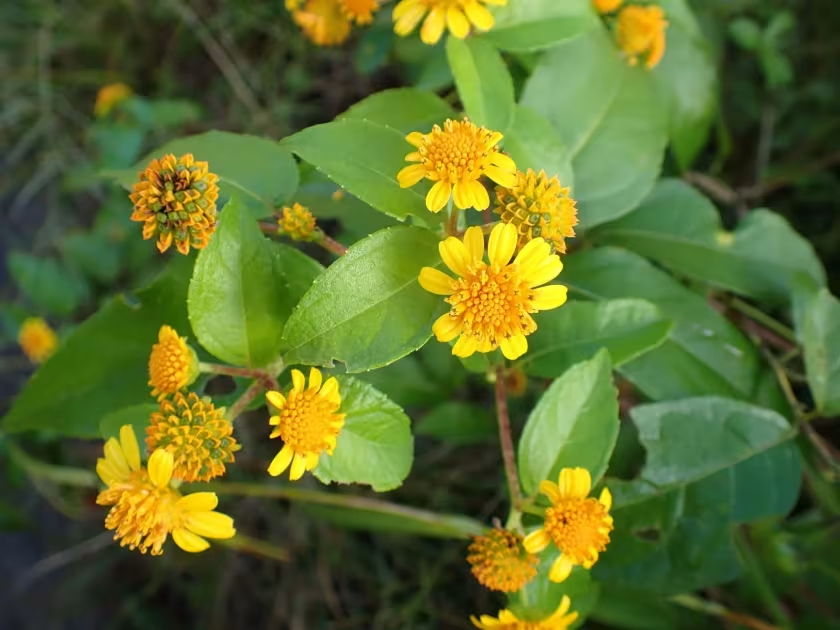
Description
Sowing dates
Tilesia baccata is a heat-loving crop, so sowing times are strictly tied to the onset of stable warm weather. The optimal period for sowing seeds in open ground is when the soil warms up to 15–18 degrees Celsius.
In regions with temperate climates, it is recommended to grow seedlings in greenhouses or cold frames first. This allows the grower to shorten the growing season and provide the plant with the necessary warmth before autumn cool weather sets in.
When sowing, it is important to consider the depth of seed burial, which should be no more than 1–2 centimeters. Planting too deep can lead to delayed germination or the death of the sprout in dense substrate.
Spacing between rows should be sufficient to ensure full ventilation and light penetration. It is usually recommended to maintain a distance of about 40–50 centimeters to prevent overcrowding.
Seedlings emerge uniformly if regular watering is provided and the humidity of the topsoil is maintained during the first week after sowing.
Growing requirements
The crop belongs to the Asteraceae family and requires sunny, well-lit areas. Shading negatively affects the rate of biomass development and the formation of reproductive organs.
Soils for cultivation must have a loose structure and high water permeability. Fertile sandy loams or loamy soils with a neutral pH level are ideal for this plant.
The plant is extremely sensitive to excessive moisture stagnation, which necessitates the organization of high-quality drainage. At the same time, a lack of watering during the active growth phase can lead to premature lignification of the stems.
Tilesia baccata prefers moderate application of organic fertilizers during the pre-sowing soil preparation period. An excess of nitrogen can trigger excessive vegetative growth at the expense of flowering.
Climatic requirements include protection from strong winds, which can damage the fragile stems of the plant during the early stages of vegetation.
Main diseases and pests
The main threat to the crop comes from fungal diseases that develop in high air humidity. Among them, powdery mildew, which affects the leaf apparatus, is the most common.
Pests such as aphids and spider mites can cause significant damage if phytosanitary standards are not met. They feed on cell sap, causing deformation of young shoots and leaves.
To combat diseases, the use of preventive fungicides is recommended during periods of high humidity. It is important to perform treatment before the first signs of necrosis appear on the plant tissues.
Weed vegetation poses a serious competitive threat during the first weeks of the crop's development. Regular weeding is a mandatory agronomic measure to maintain yields.
- Adherence to crop rotation reduces the accumulation of soil-borne pathogens.
- Ensuring soil aeration prevents the development of root rots.
- Timely removal of affected plant parts prevents the spread of fungal spores.