
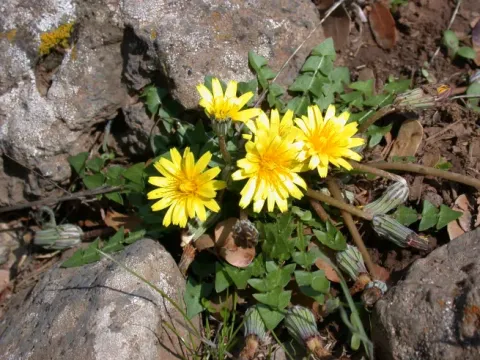
Cyprus dandelion
Taraxacum cyprium
Cyprus dandelion (Taraxacum cyprium) is a perennial herbaceous plant belonging to the Asteraceae family, native to the island of Cyprus. This species is highly specialized, adapted to the specific ecological niche of the Mediterranean landscape.
What the section contains
Cyprus dandelion
The crop requires well-drained, porous soils to thrive, ideally with a neutral to alkaline pH level. In an agricultural setting, it is critical to avoid waterlogged conditions, which are detrimental to the health of the taproot system.
High levels of solar radiation are essential for the plant's development. As an endemic species, it performs best when exposed to long periods of sunlight, mirroring its natural Mediterranean habitat requirements.
Temperature management should prioritize avoiding extreme cold coupled with excessive moisture during winter dormancy. The plant exhibits a moderate tolerance to drought, which should be leveraged in irrigation management strategies.
Soil management practices should focus on maintaining a loose soil structure to facilitate root development. Regular, light cultivation is recommended to prevent soil compaction and ensure adequate aeration for the developing root systems.
The primary threats to Taraxacum cyprium cultivation include various root rot pathogens. These are often triggered by improper irrigation practices and poor drainage, requiring careful moisture control throughout the growth cycle.
Pests such as aphids and subterranean nematodes pose significant challenges to crop health. Implementing integrated pest management (IPM) strategies is essential for maintaining plant vigor and maximizing production yields.
Fungal diseases like powdery mildew can affect the foliage under high-humidity conditions. Ensuring proper spacing between plants helps maintain airflow, significantly reducing the likelihood of severe outbreaks.
Weed management during the seedling stage is critical as the plant has a slow initial growth rate. Manual weeding or the use of selective, low-impact herbicides is advised to reduce competition for light and nutrients.
Phytosanitary monitoring is a key element in protecting this crop. Routine inspections help identify diseased individuals early, allowing for targeted interventions before pests or pathogens spread across the entire plot.