
Stizolophus balsamita
Stizolophus balsamita
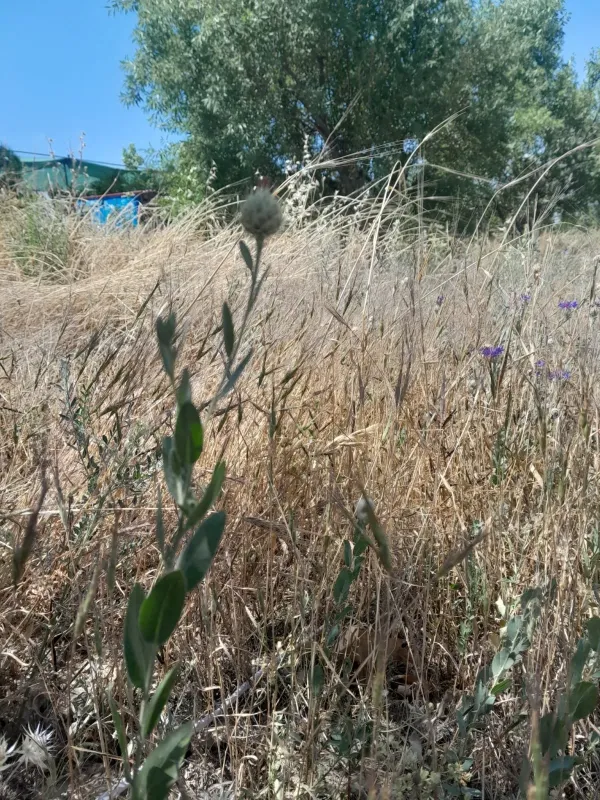
Description
Sowing dates
Stizolophus balsamita is a perennial herbaceous plant belonging to the Asteraceae family. For successful cultivation, sowing should be conducted in early spring when the soil temperature consistently reaches 10–12°C, ensuring optimal conditions for seed germination.
Prior to sowing, seeds may require stratification to improve field germination rates. The recommended seeding depth is approximately 1 to 2 centimeters, depending on soil moisture and texture, to ensure the seed has proper contact with the soil medium.
Planting in rows with 45–60 centimeters of spacing between them is standard practice. This spacing is crucial as the plant develops a wide basal rosette of leaves during its initial growth phases, requiring sufficient space to avoid competition for resources.
During the first year, the crop exhibits relatively slow development as it focuses on establishing its root system. Therefore, effective weed management during this period is essential to ensure the young plants are not suppressed by aggressive invasive species.
Precision in sowing timing and row density is key to long-term plantation success. Careful planning allows for consistent plant development and easier maintenance tasks throughout the crop's lifecycle.
Growing requirements
As a light-loving species, Stizolophus balsamita thrives in open, sunny areas that are shielded from strong, damaging winds. Sufficient sun exposure is directly linked to the plant's ability to synthesize and accumulate its characteristic balsamic compounds.
The crop prefers light, well-drained soil types such as sandy loam or loam. Proper drainage is vital because waterlogged conditions can lead to root rot and other physiological stressors that significantly decrease plant health and yield.
The soil pH should ideally be neutral or slightly alkaline. In acidic soils, liming may be necessary to optimize nutrient uptake. The plant is moderately drought-tolerant once established but benefits from consistent moisture during its peak growing season.
Nutrient management involves applying nitrogen fertilizers during the early vegetative growth phase and transition to phosphorus and potassium-rich fertilizers as the plant approaches the budding stage to support robust growth and essential oil production.
Regular inter-row cultivation is necessary to maintain soil aeration. Healthy gas exchange at the root level is critical for the plant's physiological functions and overall resilience against environmental stressors.
Yield
The yield potential of Stizolophus balsamita stabilizes after the second or third year of growth. The economic output is measured by the total biomass of the aerial parts, specifically flowers and foliage, which are harvested for processing.
Maximum yield is achieved when the harvest is timed precisely with the peak concentration of essential oils. Monitoring the development of the flowers is essential, as the timing of the harvest is the primary determinant of product quality.
Good agricultural practices, such as maintaining optimal plant density and providing adequate nutrients, significantly improve the yield per hectare. Efficient plantation management minimizes losses and ensures a consistent supply of raw material.
As a perennial crop, it offers the advantage of multiple harvests without the need for annual reseeding or extensive soil preparation. This longevity makes it a sustainable choice for specialized essential oil production.
Fluctuations in yield can occur due to seasonal weather patterns; however, the plant’s inherent robustness allows it to maintain production levels even in variable climates, provided that basic drainage and light requirements are met.
Main diseases and pests
Stizolophus balsamita is primarily susceptible to fungal diseases such as powdery mildew, especially in humid conditions with poor air circulation. Proper spacing and airflow management are the most effective preventive measures against these infections.
Root rot represents a significant threat to the health of the plantation if irrigation is excessive or if the soil lacks sufficient drainage. Maintaining soil health through appropriate physical management is key to preventing these diseases.
Pests like aphids and various weevils can cause damage to leaves and buds, negatively affecting the quality of the essential oil extracted from the raw material. Integrated pest management strategies are recommended to protect the crop.
Weeds are major competitors for nutrients and light in the early years of the crop. A systematic weeding strategy is necessary to prevent infestations that could choke the plantation and reduce the overall quality of the yield.
The use of biological control agents is preferred for pest management to ensure the purity of the harvested material. Maintaining a healthy ecosystem around the plantation helps in keeping pest populations below economic damage thresholds.
Harvesting
Harvesting is performed during the peak blooming phase, which is when the concentration of aromatic compounds is at its highest. The crop is cut using sharp, clean tools to ensure minimal damage to the perennial root system.
Immediate post-harvest processing is crucial to prevent the loss of volatile essential oils. The harvested biomass should be dried in a well-ventilated, shaded area or specialized low-temperature drying equipment to preserve its chemical profile.
After drying, the material is sorted to remove impurities, dust, or diseased plant parts. This rigorous cleaning process ensures that the product meets the strict quality requirements of the pharmaceutical and cosmetic industries.
Storage should be conducted in airtight, opaque containers to protect the raw material from sunlight and moisture, which could degrade the active ingredients over time.
The harvest phase requires skilled labor or specialized machinery to identify the correct maturity level. Meticulous execution during this stage directly correlates with the market value of the harvested batch.