
Dyer's serratula
Serratula tinctoria L.
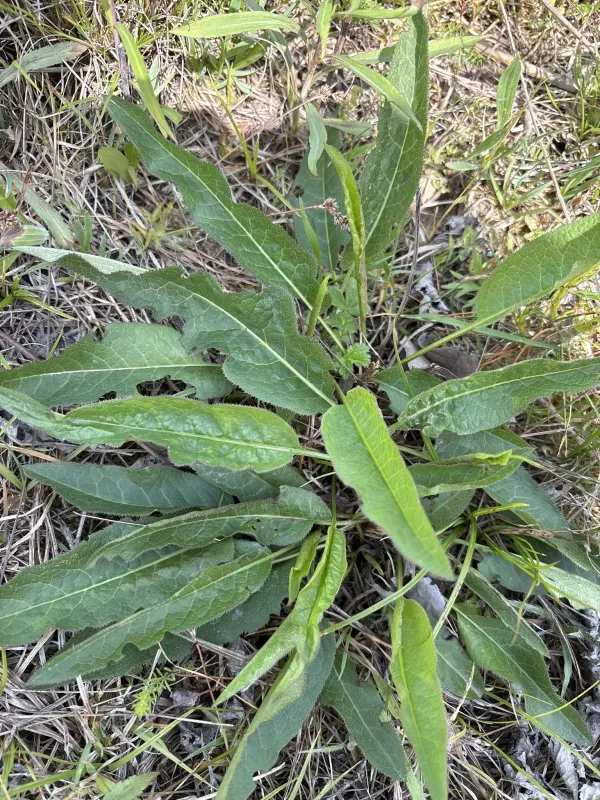
Description
Sowing dates
Dyer's serratula is typically propagated via seeds, which can be sown either in late autumn or in the early spring once soil temperatures reach 5–8 degrees Celsius.
For spring sowing, seeds often require a stratification period of approximately 45 days in cool conditions to break dormancy and ensure uniform germination.
Seeds should be planted at a depth of 1.5 to 2 centimeters. Maintaining proper soil moisture is crucial during the initial stages to support healthy root development.
The recommended row spacing is between 45 and 60 centimeters, allowing sufficient space for mechanical cultivation and weed control during the growth season.
Successful establishment of the crop relies on high-quality seed material and proper land preparation to remove competitive weeds early on.
Growing requirements
This species thrives in sunny, open locations with well-drained, fertile soil. It performs best in neutral loam or sandy loam soil compositions.
Dyer's serratula is highly winter-hardy and can withstand harsh temperate climates, making it a reliable perennial crop for various agricultural regions.
Proper drainage is essential, as the plant is susceptible to root rot if exposed to prolonged waterlogging or poor soil aeration conditions.
While the plant is quite resilient, periodic nutrient application, particularly organic matter, significantly boosts biomass production and raw material quality.
Care must be taken to prevent weed infestation in the first year of establishment, as the seedlings grow relatively slowly compared to common field weeds.
Yield
The crop's value is derived from its vegetative mass, which is utilized for both dye production and its content of bioactive compounds.
Yield stability depends on consistent moisture management and the prevention of resource competition within the plant population.
As a perennial, the crop provides consistent yields over several years, provided the root systems are managed correctly and not damaged during soil cultivation.
Proper harvest timing is essential to ensure that the concentration of pigments and active ingredients meets industry quality standards.
The economic potential of dyer's serratula lies in its historical and modern use as a sustainable source of yellow plant dye for natural textiles.
Main diseases and pests
Although generally robust, dyer's serratula can be affected by powdery mildew if the weather remains humid and air circulation is insufficient within the rows.
Insects that feed on foliage pose a moderate threat; therefore, regular scouting and adhering to integrated pest management practices are recommended.
Root-related diseases are primarily prevented through careful site selection and avoiding overly compacted or wet soil conditions during the planting season.
Managing the surrounding area for wild host plants can reduce the risk of pest migration into the cultivated field of dyer's serratula.
Good field hygiene, including the removal of infected plant debris after the harvest, is a key practice for maintaining long-term crop health.
Harvesting
Harvesting should coincide with the full flowering stage, as this is when the plant's phytochemical content is at its absolute peak for processing.
The above-ground parts are harvested by mechanical cutting, leaving enough stubble to ensure the plant can survive for future seasonal regrowth.
Immediately after harvest, the biomass must be dried in a sheltered, well-ventilated area to prevent degradation of the sensitive pigments.
Maintaining a temperature below 45 degrees Celsius during the drying phase is vital to preserve the integrity of the plant's valuable chemical components.
Storage should take place in a dry, dark environment to prevent light-induced fading of the dyes and maintain the overall quality of the final raw product.