
Schoenia cassiniana
Schoenia cassiniana
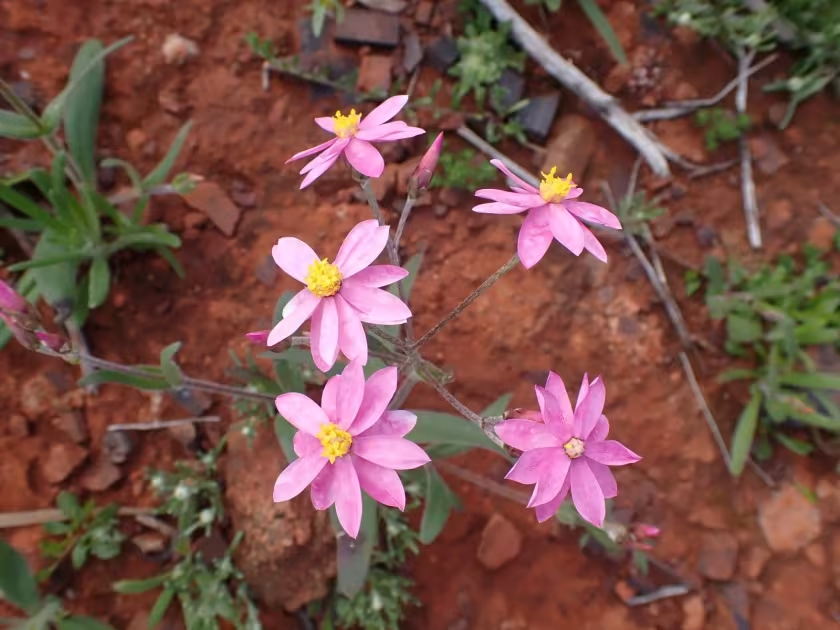
Description
Sowing dates
Schoenia cassiniana is best sown during the spring season once the threat of frost has completely passed. The seeds require stable temperatures, typically between 18 and 22 degrees Celsius, for germination.
Direct sowing in well-prepared garden beds is effective in regions that mimic the plant's native Australian climate. Ensure that the soil surface is fine and free of large clumps to allow the small seeds to establish contact.
When starting indoors, use a lightweight, sterile potting mix to prevent damping-off. Seeds should be surface-sown and only lightly pressed into the medium, as they often require light to initiate the germination process.
Thinning the seedlings is essential to prevent overcrowding and ensure adequate airflow. Once the second set of true leaves appears, seedlings can be carefully transplanted if necessary.
A sunny, sheltered location is critical for the initial growth stage. Protection from heavy spring rains will help the young plants develop a robust root system without the risk of waterlogging.
Growing requirements
Belonging to the Asteraceae family, Schoenia cassiniana is native to Western Australia and thrives in arid conditions. It demands full sun exposure to maintain its compact habit and vibrant flowering.
The soil must be exceptionally well-draining, such as sandy or gravelly loam. This plant will not tolerate heavy clay or compacted soils that retain moisture for extended periods.
Watering requirements are very low once the plant is established. Supplemental irrigation should only be provided during prolonged heatwaves or extreme droughts to prevent the plant from wilting.
Fertilization should be kept to a minimum. A slow-release, low-phosphorus fertilizer applied once at the beginning of the growing season is sufficient for most soil types.
The plant adapts well to neutral to slightly acidic pH levels. Monitoring the soil for efficient drainage remains the most important factor for long-term survival in garden settings.
Main diseases and pests
Fungal pathogens, particularly root rot, are the primary threat to Schoenia cassiniana. These are almost always caused by improper irrigation practices or poor soil drainage.
Insect pests like aphids can sometimes infest the succulent-like foliage during warm weather. Early detection and the use of insecticidal soaps can manage these populations effectively.
Powdery mildew may appear on the foliage in humid, stagnant air conditions. Improving spacing and ensuring that the plant receives plenty of direct sunlight can mitigate this risk.
Slugs and snails can cause significant damage to young plants in early spring. Installing copper barriers or using non-toxic bait around the perimeter can help protect the seedlings.
Maintaining a clean garden environment is vital for preventing disease outbreaks. Regular removal of dead or decaying plant matter reduces the risk of pathogens spreading to healthy plants.
Harvesting
Harvesting Schoenia cassiniana for dried flower arrangements is best done when the blossoms are fully open but before they begin to fade. This captures the best color and structural integrity.
Hang the harvested stems upside down in a dark, cool, and well-ventilated space. This method ensures that the stems stay straight and the flowers maintain their aesthetic appeal.
Drying typically takes about two weeks depending on local humidity levels. Once fully dried, the flowers can be used in wreaths, bouquets, or other decorative crafts.
For seed saving, leave a portion of the flowers on the plant until they wither and turn brown. Carefully harvest the seed heads into paper bags to prevent loss to wind.
Clean the harvested seeds thoroughly to remove chaff and other debris. Proper storage in cool, dry conditions will ensure the seeds remain viable for the following season.