
Polydora angustifolia
Polydora angustifolia
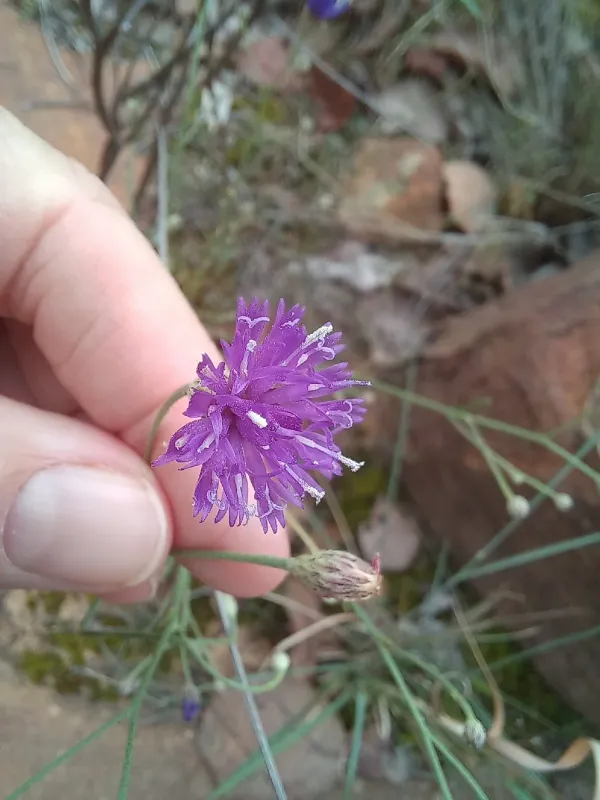
Description
Sowing dates
Polydora angustifolia, a member of the Asteraceae family, requires careful seed bed preparation and sowing during the mid-spring season once soil temperatures have consistently risen.
The seeds are relatively small, which necessitates a shallow planting depth, typically no more than 1 to 2 centimeters below the surface to ensure adequate light exposure for germination.
Optimal spacing should be maintained during the sowing process to allow for future mechanical cultivation and to minimize plant competition for vital nutrients and space.
Stratification of seeds prior to planting can often lead to significantly higher germination percentages, especially when dealing with seeds harvested from cooler climate zones.
Early-season management includes thinning out excessive sprouts to ensure that the remaining plants have sufficient room to develop their robust root systems.
Growing requirements
This crop thrives in well-drained, sandy loam soils that provide excellent aeration, as excessive water retention in heavy soils can cause root rot and physiological stress.
Being a heliophilic species, Polydora angustifolia requires full sun exposure throughout the day to achieve peak development of its biomass and flowering potential.
A balanced soil pH, ideally ranging from slightly acidic to neutral, is essential for the efficient uptake of micro and macronutrients required for the plant's metabolic functions.
Agricultural practices should prioritize regular cultivation of the soil between rows, which serves to prevent weed encroachment and improves gas exchange in the root zone.
Water management must be precise; while the plant is moderately drought-tolerant, supplemental irrigation during prolonged dry spells is recommended to maximize yield.
Yield
The total yield of biomass depends heavily on site-specific environmental conditions, including light intensity, soil fertility, and the overall management of the plantation.
In optimal conditions, multiple harvests of the aerial parts can be achieved within a single season, provided the plant is allowed to recover between cutting intervals.
Sustainable harvesting techniques, such as not removing more than one-third of the plant's total height, ensure the longevity and productivity of the perennial stand.
Regular monitoring of plant growth stages allows producers to determine the exact timing for harvest, which is critical for maintaining high quality and market value.
High-yielding crops often require consistent nutrient supplementation, particularly during the transition from the vegetative phase to the onset of the reproductive cycle.
Main diseases and pests
Root system pathogens present a major threat, particularly when soil drainage is poor or during seasons with heavy, persistent rainfall that saturates the root zone.
Aphid infestations on tender shoots can severely stunt plant growth, requiring immediate intervention through scouting and the application of appropriate biological controls.
Powdery mildew is a common fungal issue that appears under conditions of high humidity and poor air circulation, necessitating careful management of planting density.
Weed competition is particularly detrimental in the early growth stages; therefore, aggressive weed control measures are necessary to prevent yield loss during the initial weeks.
Integrated pest management strategies are advised, emphasizing preventative measures such as crop rotation and the selection of healthy, disease-free seed stocks.
Harvesting
Harvesting should ideally take place during the peak of the growing season when the plant has reached its maximum nutrient density before the onset of flowering.
Clean, sharp tools are essential for harvesting to minimize mechanical damage to the remaining plant tissue and to prevent the entry of secondary pathogens.
Immediately following the harvest, the material should be processed or dried to prevent fungal degradation, which can quickly ruin the quality of the raw botanical product.
Storage of the harvested crop requires cool, dry conditions with adequate airflow to maintain integrity and prevent spoilage prior to further processing or sale.
Large-scale operations benefit from mechanized harvesting headers designed to cut at the appropriate height, increasing efficiency and reducing labor costs during the peak harvest period.