
Podachaenium eminens
Podachaenium eminens
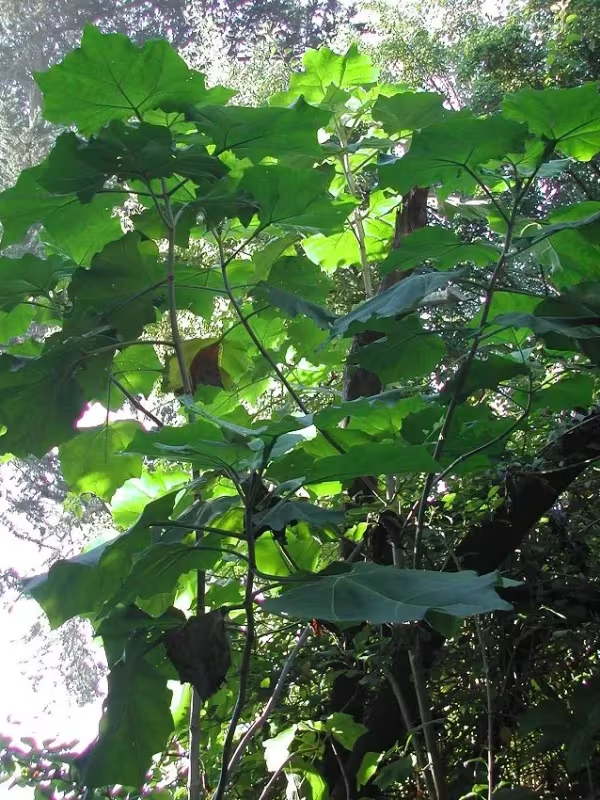
Description
Sowing dates
Podachaenium eminens is a large-growing shrubby species often cultivated from seeds started in controlled environments. Sowing should commence in late winter to ensure the seedlings are robust enough for outdoor transition when temperatures rise.
Seeds are best planted in a lightweight, sterile potting mix at a depth of about 0.5 centimeters. Maintaining a consistent temperature between 20°C and 25°C is essential for successful germination of this species.
Once seedlings have developed two sets of true leaves, they should be carefully pricked out into individual containers. This prevents root competition and encourages a stronger, more branched root system in the initial growth phase.
Hardening off the plants is a crucial step before transplanting to the final location. Gradually exposing the seedlings to outdoor conditions over a two-week period reduces transplant shock and builds resistance to environmental stress.
Transplanting should only occur once all danger of frost has passed. Selecting a site with adequate spacing is important, as Podachaenium eminens can reach significant heights and widths under optimal conditions.
Growing requirements
This species thrives in well-draining, fertile soil that mimics its native habitat in Central American mountainous regions. Incorporating organic matter such as compost or well-rotted manure helps improve soil structure and nutrient content.
Adequate sunlight is fundamental for the growth of this plant. It requires a location that receives full sun to light shade, ensuring that the plant can produce its characteristic flowers and maintain its structural integrity.
Watering should be balanced; while the plant enjoys moisture, it is highly susceptible to root rot if left in waterlogged conditions. A raised bed or a site with a natural slope is ideal for managing drainage effectively.
The plant is not cold-hardy and must be protected from freezing temperatures. In regions where winter temperatures drop below zero, it is highly recommended to grow the plant in large containers that can be moved indoors.
Regular fertilization during the peak growing season helps maintain vigorous growth. A balanced, water-soluble fertilizer applied every few weeks is generally sufficient to support the nutritional needs of the plant during its active phase.
Main diseases and pests
Common pests affecting Podachaenium eminens include aphids and spider mites, particularly in drier or greenhouse environments. These insects can cause stunted growth and leaf curling if not managed promptly.
Fungal diseases are a primary concern, especially in humid conditions with poor air circulation. Symptoms such as powdery mildew or leaf spots require immediate attention to prevent the spread of the infection throughout the plant.
Integrated Pest Management (IPM) is the best approach for controlling these threats. This includes introducing beneficial predatory insects to manage pest populations and using organic insecticidal soaps when infestations appear.
Good cultural practices, such as proper spacing to ensure airflow and avoiding overhead irrigation, are vital for disease prevention. Keeping the base of the plant free from debris also reduces the risk of soil-borne pathogens.
Periodic monitoring of the underside of the leaves is recommended, as this is where pests typically cluster before becoming visible on the upper surface. Early detection is the key to maintaining a healthy crop.
Harvesting
Harvesting for seed collection is best performed when the flower heads have dried naturally on the plant. This process ensures that the seeds are fully mature and have the highest potential for germination in the next cycle.
After collection, the seeds should be dried in a well-ventilated, shaded area to remove any residual moisture. Storing them in a cool, dark place within breathable containers will help maintain their viability over long periods.
If the plant is grown for decorative purposes, the harvest of stems should occur at the peak of bloom. Stems must be cut with sharp, sterilized tools to ensure a clean cut that heals quickly, reducing the risk of infection.
For individuals interested in botanical research or specific plant constituents, tissue harvesting must be done according to standard biological sampling protocols to ensure the integrity of the collected material.
Clearing away seasonal debris at the end of the harvest cycle is essential for maintaining a clean garden environment and preventing the overwintering of potential pests or diseases on the site.