
Hawkweed oxtongue
Picris hieracioides L.
Description
Growing requirements
Hawkweed oxtongue (Picris hieracioides L.) belongs to the Asteraceae family. It is a biennial or perennial herb widely distributed across Europe and Asia, naturally occurring in grasslands, roadsides, and open fields, demonstrating significant adaptability.
The plant thrives in well-drained soils and requires sunny locations for optimal development. It shows high resilience to drought due to its taproot system, which helps the plant access moisture in deeper soil layers during dry summer months.
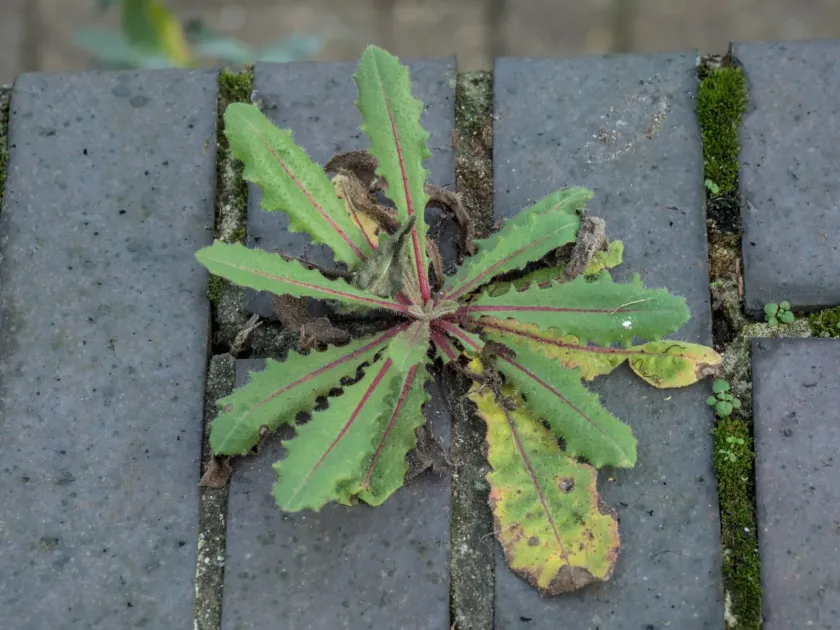
Botanically, it is characterized by a branched, hairy stem and a basal rosette of leaves. The plant reaches a height of up to 100 cm and produces yellow, daisy-like flower heads that attract various pollinators, supporting local biodiversity.
In agriculture, it is valued for its potential in livestock forage, particularly in extensive grazing systems. Its young leaves are rich in proteins and minerals, making it a viable component of improved pasture mixtures in arid regions.
Effective cultivation requires proper soil preparation and seed bed firming to ensure good contact. Once established, the species is highly competitive against invasive weeds, reducing the need for intensive chemical interventions or labor-heavy maintenance.
Main diseases and pests
Common pathological threats include fungal infections such as powdery mildew, especially in humid and poorly ventilated areas. Maintaining optimal plant density is critical to preventing the spread of such diseases across the forage plot.
Pests, particularly aphids, can pose a risk to the development of young plants by damaging apical growth. Integrated pest management strategies, including the encouragement of natural predators, are recommended to maintain plant health.