
Paraprenanthes sororia
Paraprenanthes sororia
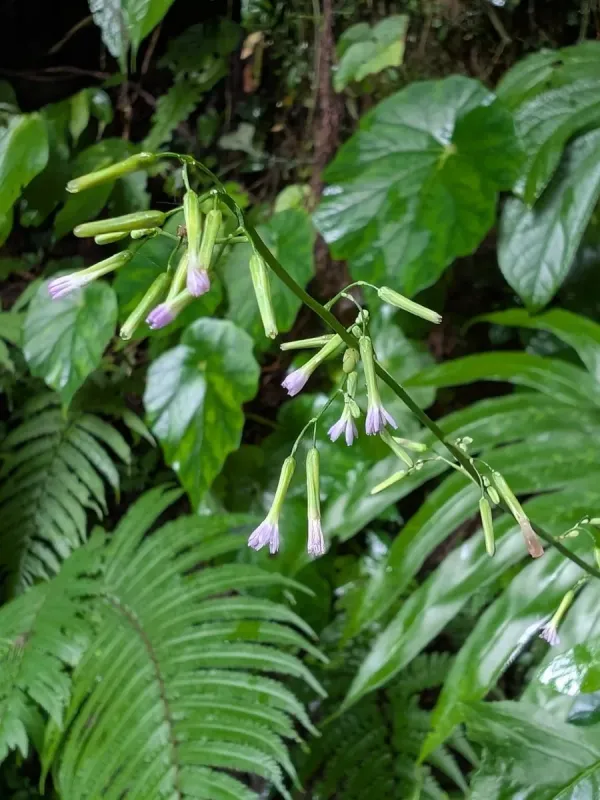
Description
Growing requirements
Paraprenanthes sororia belongs to the Asteraceae family and is recognized for its adaptive biological properties. This herbaceous perennial has garnered interest as an unconventional crop due to its phytochemical profile and growth resilience in temperate and subtropical environments.
The origin of this species is linked to the diverse ecosystems of Asia, where it thrives in shaded and semi-shaded habitats. In an agricultural setting, the plant requires a well-structured soil profile that provides adequate moisture retention while ensuring high permeability for root oxygenation.
Temperature regulation is critical for the success of Paraprenanthes sororia cultivation. It prefers mild climatic conditions and typically avoids extremes of intense heat or frost. Proper site selection involves areas that provide protection from strong winds and excessive direct solar exposure during the peak of summer.
Standard agrotechnical practices for this crop focus on nutrient management and weed control. Regular soil testing is recommended to ensure that levels of nitrogen, phosphorus, and potassium are balanced, supporting robust vegetative growth throughout the season.
The irrigation strategy should emphasize consistency over frequency. The crop performs best when the root zone remains consistently moist but not saturated. Mulching techniques can be employed to maintain soil temperature stability and reduce the competitive pressure from aggressive weed species in the crop fields.
Yield
The yield potential of this crop is assessed by the biomass produced in the aerial parts. Strategic harvesting schedules, typically aligned with the late flowering phase, allow farmers to maximize the concentration of valuable compounds within the harvested material.
Main diseases and pests
Significant threats to the health of the plantation include fungal pathogens such as powdery mildew and various leaf spot diseases triggered by excessive foliage wetness. Managing these threats involves careful spacing of plants to improve air circulation and immediate removal of any infected plant tissue.