
Parapolydora fastigiata
Parapolydora fastigiata
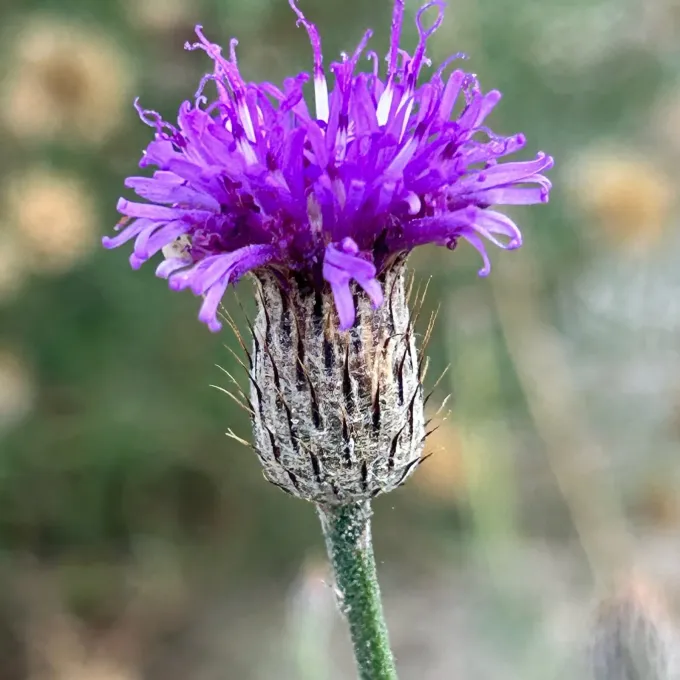
Description
Sowing dates
Sowing of this crop is carried out when stable positive temperatures are established, and the soil at the seeding depth warms up to 12–15 degrees Celsius. The optimal timing for most climatic zones falls in the middle or late spring, allowing the seeds to effectively utilize moisture after snowmelt.
The seeding depth varies depending on the soil texture and is usually between 2 and 4 centimeters. Planting too deep can delay emergence, which is critical for the uniform development of the crop stand during the early growth stages.
The seeding rate is calculated based on the intended use of the crop and the soil fertility, averaging 15 to 20 kilograms per hectare. It is important to ensure proper soil packing after sowing to provide close contact between the seeds and soil particles, preventing the surface layer from drying out.
When using wide-row sowing, it is recommended to maintain row spacing of 30–45 centimeters, which facilitates subsequent crop management. In intensive systems, row seeding with 15-centimeter spacing is permitted, which promotes rapid canopy closure and weed suppression.
To ensure uniform emergence, seeds should be graded and, if necessary, treated to protect them against soil-borne pathogens. Quality preparation of the seed material is the key to establishing a high density of productive stems.
Growing requirements
The plant has moderate thermal requirements, preferring well-lit areas with long daylight hours. The crop can withstand short-term temperature fluctuations, but stable air warmth during the summer period is necessary for intensive growth.
The most suitable soils for cultivation are fertile loams and chernozems with a neutral or slightly acidic pH. Good aeration of the root system is essential, so waterlogged or heavily compacted soils require preliminary reclamation.
The crop responds positively to mineral fertilizers, especially during the active vegetative growth phase, when nitrogen demand peaks. Phosphorus and potassium supplements are primarily applied in the autumn during deep tillage to ensure sufficient nutrition for the next season.
Moisture requirements depend on the growth stage: the need for water is highest during the tillering and stem elongation phases. Prolonged moisture deficit during critical phases can lead to a decrease in vegetative mass and a deterioration in the quality of the harvested product.
Crop rotation is crucial in the management system, as the accumulation of specific pathogens in the soil can significantly reduce productivity in monoculture systems. The best preceding crops are cereals or clean fallow, which help keep the field free of weeds.
Yield
The potential yield of green mass reaches high levels when all cultivation regulations are followed, ensuring an efficient output of nutrients per unit area. Intensive management methods allow for a significant increase in these figures by optimizing plant density.
The total volume of the harvest depends directly on the frequency of cuts and the overall level of agronomy throughout the season. Under favorable weather conditions and timely fertilization, the crop is capable of producing multiple heavy cuts during a single growing season.
The quality of the yield is determined by the content of proteins, fiber, and trace elements, making this crop a valuable component in fodder production. Proper calculation of harvest timing allows for the maximum preservation of the raw material's nutritional value for further processing.
Accounting for the impact of climatic factors on yield shows that excessive rainfall during the harvest period can negatively affect the visual quality of the product. Therefore, farm machinery must be capable of matching crop maturity rates to conduct operations within tight deadlines.
Statistical data indicate that the use of modern growth stimulants combined with proper irrigation can increase productivity by 15–25 percent. This makes the cultivation of this crop economically viable in regions with favorable agro-climatic potential.
Main diseases and pests
The main biological threats to the crop are fungal diseases that develop in conditions of high air and soil humidity. Various types of rot can affect both the aerial parts of the plant and the root system, leading to mass thinning of the crop stand.
Pests, such as phytophagous insects, can cause significant damage during the seed germination and first leaf formation stages. Early diagnosis of pest infestation allows for the timely application of insecticides to localize affected areas before they spread across the entire field.
Disease prevention begins with the use of high-quality seed material that has undergone laboratory testing for hidden infections. Healthy planting material, combined with fungicide treatment, minimizes the risk of epiphytotics during the early growth stages.
Weeds pose a serious challenge by competing for nutrients and sunlight, requiring the use of selective herbicides. Timely weed control not only boosts yield but also eliminates food sources for pests during the off-season.
In addition to chemical protection, agrotechnical practices such as deep plowing and maintaining spatial isolation between fields play a vital role. A comprehensive approach to plant protection ensures stable results and prevents the development of resistance in harmful organisms to applied agents.
Harvesting
Harvesting is performed when the plants reach their maximum vegetative mass but have not yet entered the active lignification phase of the stems. The optimal moment is determined by visually inspecting the leaf apparatus and evaluating the nutritional value of the biomass.
The use of modern agricultural machinery minimizes losses during cutting and transport. It is important to adjust the cutting height to avoid damaging the root crown, ensuring rapid crop regeneration after harvest.
The harvested mass must be promptly dried or processed to prevent self-heating and the degradation of valuable components. In hot and dry weather, field drying occurs quickly, requiring high concentration of harvesting equipment.
If long-term storage is required, the harvest is baled or briquetted with mandatory moisture control, which should not exceed established standards. Storage should be in ventilated areas protected from direct precipitation and pests.
The final step of the harvest involves cleaning the field of plant residues, which aids in the quality preparation of the soil for the next rotation cycle. Plant residues can be incorporated into the soil as organic fertilizer, which improves soil structure.