
Pappobolus microphyllus
Pappobolus microphyllus
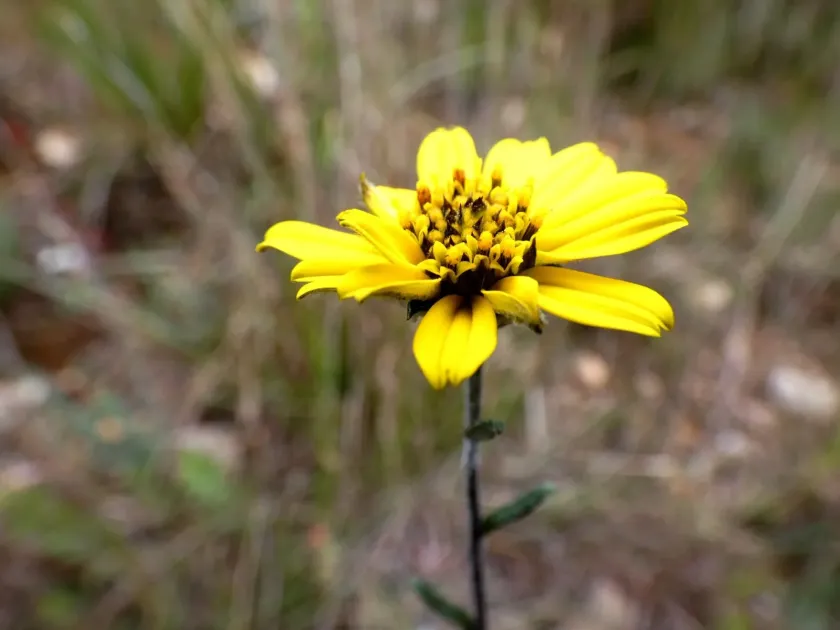
Description
Growing requirements
Pappobolus microphyllus is a perennial shrub belonging to the diverse Asteraceae family. This species is native to the high-altitude Andean regions, where it has evolved specific structural mechanisms to cope with extreme environmental stressors characteristic of mountain habitats.
The plant features a distinct morphology with small, often pubescent leaves designed to minimize water loss through transpiration. This adaptation is crucial for survival in the thin, dry air of high altitudes where intense UV radiation is prevalent throughout the year.
Regarding soil requirements, the crop demands highly permeable, well-drained substrates. Heavy or waterlogged soils are detrimental to the root system, often leading to physiological decline or pathogen susceptibility, making site selection a critical factor for successful establishment.
The climate requirements emphasize the need for significant diurnal temperature fluctuations, which the plant is adapted to in its natural habitat. It thrives in regions with moderate precipitation but requires high light intensity to maintain its characteristic growth habit.
Agricultural and economic interest in Pappobolus microphyllus is centered on its potential for ecological restoration and land reclamation in mountainous terrains. Ongoing research focuses on assessing the biomass yield and the plant's ability to stabilize fragile soil structures against erosion.