
Marlborough rock daisy
Pachystegia insignis (Hook. f.) Cheeseman
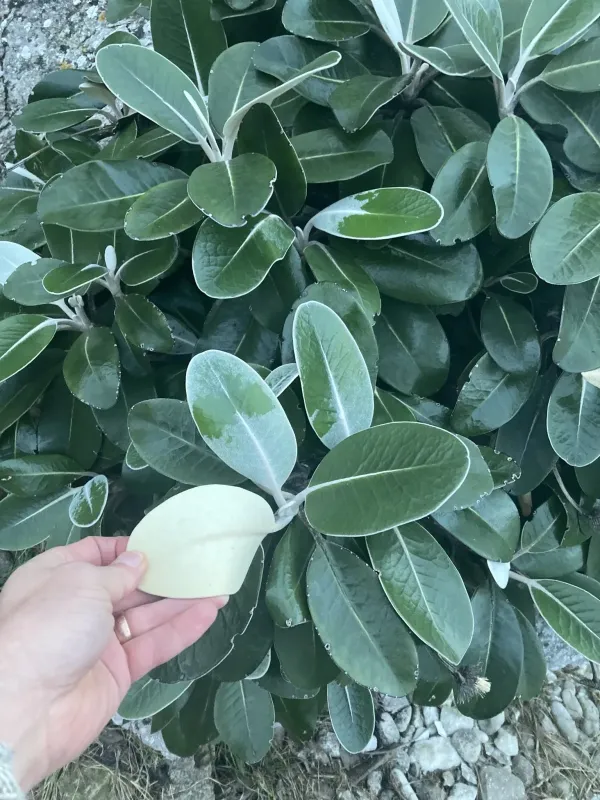
Description
Growing requirements
The Marlborough rock daisy (Pachystegia insignis) belongs to the Asteraceae family. It is a unique shrub species native to the rocky outcrops and scree slopes of the Marlborough region in the South Island of New Zealand.
Botanically, it is characterized by its stiff, leathery leaves covered in a thick layer of white or brown tomentum. This dense hair serves as a protective layer against harsh wind and excessive transpiration, helping the plant thrive in rocky terrain.
The cultural requirement for this plant is exceptionally sharp drainage. It is typically grown in rock gardens or pots with a mineral-rich, porous substrate to simulate its natural high-altitude environment.
Climate adaptation is a key feature of this species; it prefers cool, breezy conditions with high light intensity. It is not suitable for hot, humid climates where stagnant air would quickly lead to physiological decline.
Cultivation technique involves minimal watering, allowing the substrate to dry out significantly between irrigations. Fertilization should be kept to a minimum to ensure the plant maintains its natural compact, slow-growing habit.
Main diseases and pests
Root rot, primarily caused by the genus Phytophthora, represents the most significant threat to Pachystegia insignis. This disease is almost always linked to poor drainage or overly rich, water-retentive soils.
Foliar diseases, such as fungal spotting, occur when water sits on the leaves for prolonged periods. To prevent this, growers should ensure overhead watering is avoided, focusing only on soil irrigation.
While generally resistant to many pests, mealybugs can occasionally infest the undersides of the leaves or protected areas of the stem. Physical removal or localized treatment is usually sufficient for control.
High humidity combined with low airflow acts as a catalyst for various pathogens. Ensuring that the plant is grown in an open position with good air circulation is essential for long-term health.
Overall plant vitality depends on avoiding excessive nitrogen, which makes the tissues soft and more susceptible to attacks by both pests and opportunistic pathogens in the growing environment.