
Ash-colored ironweed
Orbivestus cinerascens
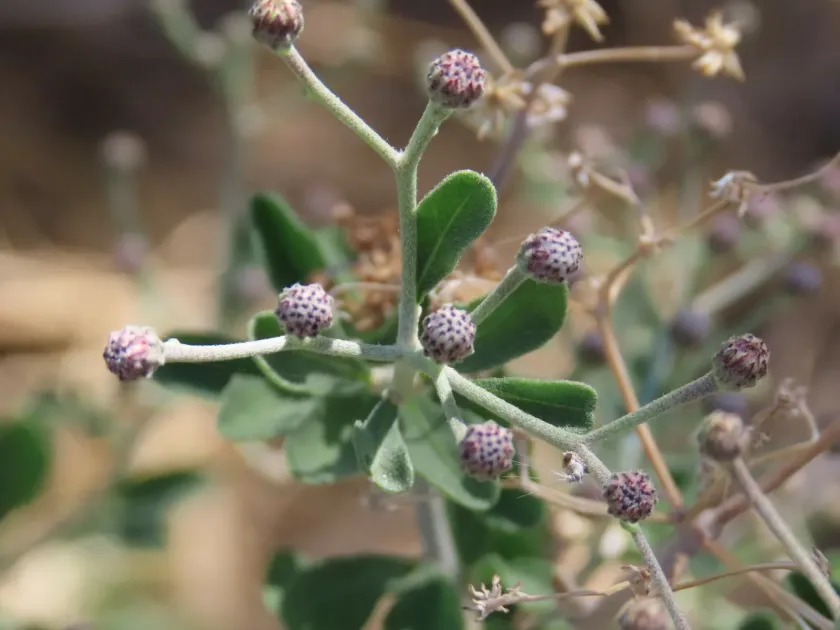
Description
Sowing dates
Sowing Orbivestus cinerascens is typically performed in late spring when soil temperatures reach 15-20 degrees Celsius. Farmers prefer direct sowing into well-prepared seedbeds to ensure optimal root development and early establishment.
Seeds should be covered with a very thin layer of fine soil, as they require light to germinate effectively. Spacing is crucial, with recommended gaps of 40-50 cm between rows to allow for adequate air circulation and manual or mechanical weeding.
Growing requirements
Orbivestus cinerascens, belonging to the Asteraceae family, thrives in warm, tropical, and subtropical climates. It requires full sunlight exposure to maintain its characteristic morphology and chemical properties throughout the growing season.
The crop prefers well-drained, sandy loam soils with a neutral or slightly acidic pH level. It is highly sensitive to waterlogging, which often leads to root rot, so proper field drainage is a critical requirement for successful cultivation.
While the plant is hardy once established, consistent soil moisture during the early seedling stage is vital for high-quality biomass production. In cooler temperate climates, it is grown as an annual crop due to its sensitivity to frost.
Main diseases and pests
Common agricultural threats include fungal pathogens such as powdery mildew, which thrive in humid conditions. Integrated pest management, including the use of resistant varieties and balanced irrigation, is recommended to mitigate these risks.
Aphids and spider mites are the most frequent insect pests. These can be managed through biological control agents or targeted applications of insecticides if pest populations exceed economic thresholds.
Harvesting
Harvesting should occur during the full flowering stage, as this is when the secondary metabolites reach their peak concentration. The plants are mowed just above the base to allow for potential regrowth or clean land preparation.
Post-harvest management involves drying the herb in well-ventilated areas away from direct sunlight to preserve the integrity of its essential oils and active components. Proper storage in cool, dry conditions is essential for maintaining product quality.