
Nabalus tatarinowii
Nabalus tatarinowii
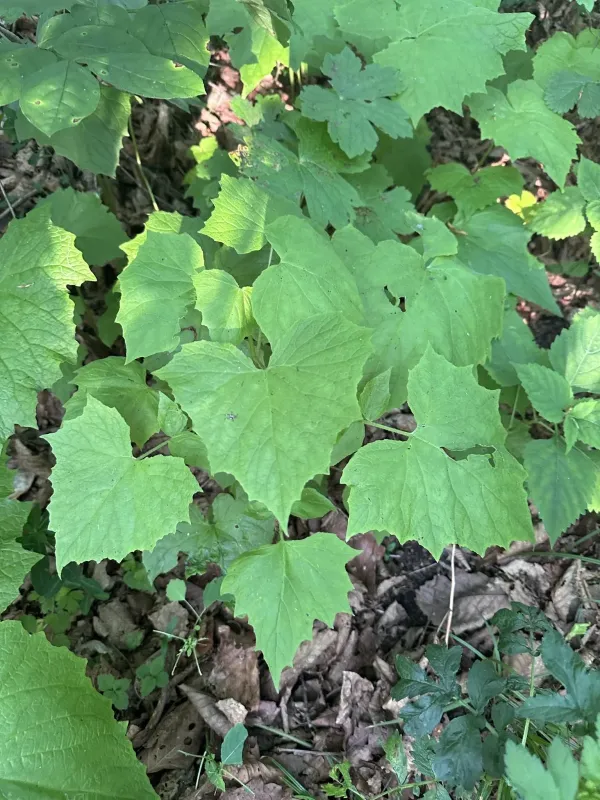
Description
Growing requirements
Nabalus tatarinowii is a perennial herbaceous plant belonging to the Asteraceae family. Native to East Asia, particularly regions in China, it is adapted to temperate forest margins and meadow habitats, which dictates its specific environmental requirements in an agricultural setting.
The plant thrives in fertile, well-drained loamy soils rich in organic matter. Proper soil structure is essential for root development; thus, ensuring adequate drainage is the first step in successful field preparation to prevent root rot or fungal infections associated with stagnant water.
Regarding climate, this species exhibits significant cold hardiness, making it suitable for temperate regions. It performs best in areas with moderate precipitation and stable temperature regimes, although it can withstand short periods of environmental stress during the mid-summer months.
The botanical architecture of Nabalus tatarinowii includes a sturdy rootstock and foliage designed to maximize light interception in semi-shaded conditions. In cultivation, protecting the crop from intense direct sunlight during the hottest part of the day can improve overall leaf quality.
Agronomic management practices should focus on maintaining soil fertility through balanced fertilization and performing regular mechanical weeding. Consistent soil aeration around the root zone encourages vigorous growth and robust stem development during the peak growing season.
Main diseases and pests
The main pathological threats to Nabalus tatarinowii include powdery mildew and other foliar fungal pathogens that thrive in high-humidity environments. Cultural control measures, such as providing adequate plant spacing to facilitate airflow, are critical for preventing outbreaks.
Insect pests, primarily aphids and leaf miners, can damage the vegetative parts of the plant. Integrated Pest Management (IPM) strategies, including the use of botanical insecticides or natural predators, are recommended to maintain plant health without disrupting the local ecosystem.