
White rattlesnakeroot
Nabalus albus
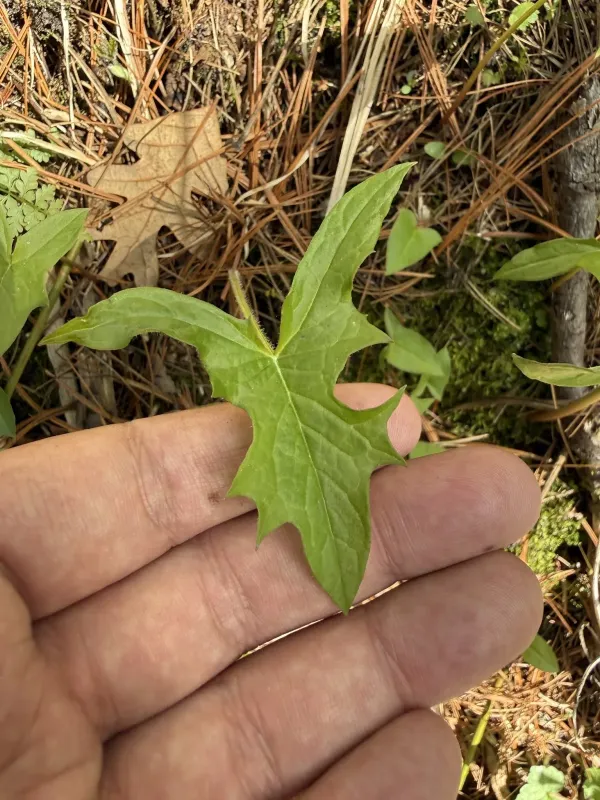
Description
Sowing dates
Seeds of Nabalus albus should be sown in late autumn to benefit from cold stratification or in early spring once the threat of severe frost has passed.
The seeds are relatively small and require shallow planting, ideally at a depth of about 0.5 centimeters, to ensure successful germination without burial shock.
Adequate spacing is crucial for healthy development; a distance of at least 30 to 40 centimeters between individual plants is recommended to facilitate airflow.
For indoor propagation, maintain a steady temperature of around 20°C. Seeds typically germinate within a few weeks when provided with consistent moisture.
Once seedlings have developed their second set of true leaves, they should be transplanted to their final location or larger containers to prevent root competition.
Growing requirements
Nabalus albus, commonly known as white rattlesnakeroot, is a perennial herb belonging to the Asteraceae family, native to the woodlands of North America.
The plant thrives in nutrient-rich, organic soil that is well-drained. It does not tolerate waterlogging, so soil structure is critical for its long-term health.
Regarding climate, this species is highly cold-hardy, adapting well to temperate zones where it can withstand winter temperatures without specialized protection.
Light requirements for the white rattlesnakeroot include partial shade or filtered light. Direct, intense sunlight can stress the plant and reduce its aesthetic value.
The plant performs best when soil moisture is kept constant but not saturated. Mulching around the base can help maintain the required moisture balance in the soil.
Main diseases and pests
The most common disease affecting this plant is powdery mildew, which often appears in late summer when humidity levels fluctuate and ventilation is poor.
Root rot is a significant danger in poorly drained clay soils, often caused by overwatering or soil compaction that limits root oxygenation.
Aphids and other sap-sucking insects frequently target young foliage, which may result in stunted growth or the transmission of viral pathogens.
Integrated pest management should focus on maintaining plant vigor through proper site selection and early detection of infestation signs.
Regular monitoring of the underside of leaves for pests and disease symptoms is essential to ensure the vitality of the Nabalus albus population.