
Mikania micrantha
Mikania micrantha Kunth
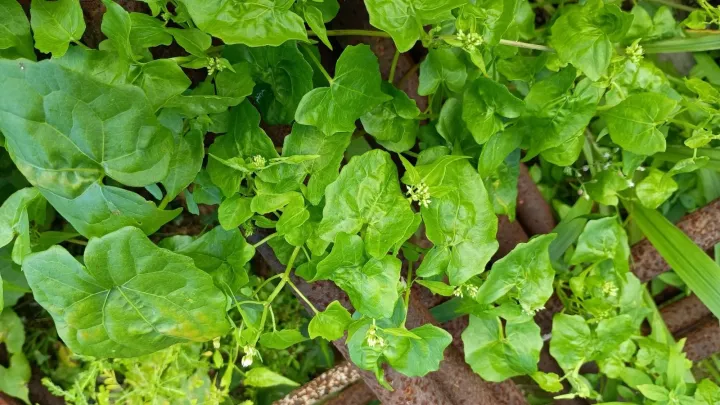
Description
Growing requirements
Mikania micrantha is a perennial creeping vine belonging to the Asteraceae family. It is widely known as the "mile-a-minute" weed due to its exceptionally rapid growth rate, which can reach up to 9 centimeters per day under optimal conditions.
Originally native to the tropical regions of Central and South America, it has spread aggressively throughout Southeast Asia and the Pacific Islands, where it disrupts both natural ecosystems and agricultural production.
The plant features heart-shaped leaves and dense clusters of small, fragrant white flowers. It thrives in high-moisture environments and fertile soils, often colonizing disturbed areas, forest edges, and plantation fringes.
Climate requirements for its survival include consistently high temperatures and significant rainfall. It is intolerant of frost, which restricts its natural range, though it remains a devastating weed in tropical and subtropical zones.
Agronomic management of this species is extremely difficult. It requires frequent monitoring and mechanical removal, as the vine can regenerate from small stem segments left in the soil after improper weeding.
Main diseases and pests
The primary threat posed by Mikania micrantha is its ability to smother crops and native vegetation. By climbing over other plants, it effectively competes for light, water, and nutrients, often leading to the death of the host plant.
Pests and pathogens are currently the focus of biological control programs. Various leaf-eating beetles and specific rust fungi have been evaluated to reduce the biomass of this invasive vine without damaging local flora.
Chemical control is often necessary, involving the application of selective herbicides during the early growth stages. However, resistance development remains a concern for large-scale agricultural operations.
Fungal diseases affecting Mikania include leaf spot and wilt, which are being studied as potential biocontrol agents. These pathogens can significantly stress the plant and reduce its reproductive capacity.
Proper field sanitation is essential for managing this weed. Farmers must ensure that agricultural equipment is cleaned between fields to prevent the accidental transport of seeds and vegetative propagules.