
Melampodium perfoliatum
Melampodium perfoliatum
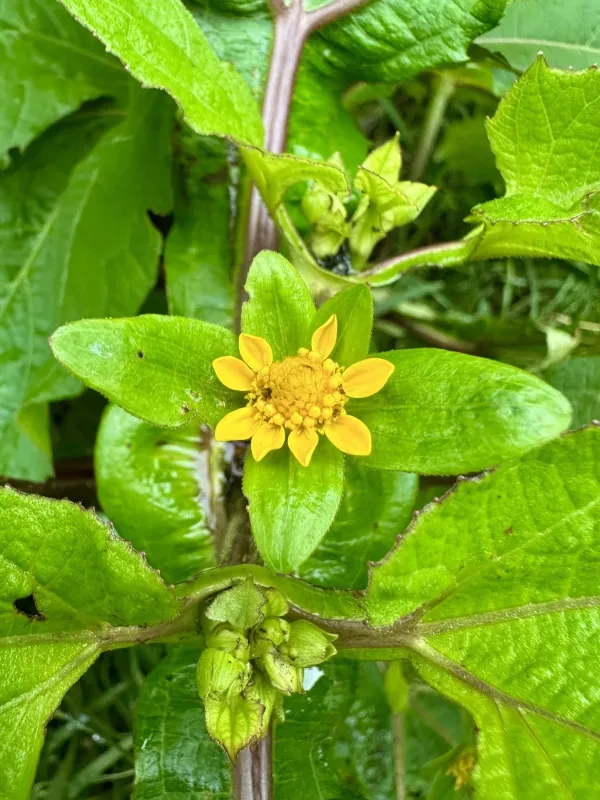
Description
Sowing dates
Melampodium perfoliatum is a heat-loving annual crop that requires stable warm temperatures to germinate and thrive, typically requiring soil temperatures above 15 degrees Celsius.
Direct seeding into open ground should be performed only after the last spring frost, ensuring that the soil is sufficiently warmed and prepared for delicate seedlings.
For earlier flower production, greenhouse propagation is recommended; seeds should be sown in trays 6 to 8 weeks before the anticipated frost-free date.
The seeds require exposure to light for successful germination, therefore they should be sown on the soil surface and merely pressed down rather than buried deep.
Maintaining a consistent environment with high light levels during the seedling stage is crucial to ensure sturdy plant development and prevent stem elongation.
Growing requirements
Belonging to the Asteraceae family, this species thrives in full sun, which is essential for maintaining compact plant structure and abundant flowering throughout the season.
The plant prefers fertile, well-draining soil with a neutral to slightly acidic pH, avoiding waterlogged conditions that could inhibit root health and nutrient uptake.
Although somewhat drought-tolerant once established, supplemental irrigation is necessary during prolonged dry spells to prevent wilting and promote continuous bloom cycles.
Nutrient management involves balanced fertilization; phosphorus and potassium-rich supplements are particularly beneficial during the transition from vegetative growth to flowering.
Spacing requirements must be respected to ensure optimal air circulation between plants, which is a vital component in preventing foliage-related diseases.
Main diseases and pests
Powdery mildew is the most common fungal disease associated with this crop, particularly in environments with high humidity and poor ventilation among the plantings.
Seedlings and young plants are occasionally susceptible to root rot if growing media remain excessively damp, necessitating careful monitoring of irrigation schedules.
Aphids are the primary insect pest, frequently infesting tender new growth and developing flower buds, which can lead to distorted leaves and reduced plant vigor.
Spider mites can become a significant issue during hot, dry summer periods, requiring the use of targeted acaricides or increased moisture management to reduce pressure.
Integrated pest management strategies, including the use of beneficial insects and timely removal of infected plant tissue, are recommended for maintaining plant health.